




China Leading Kaolin Clay Supplier
China Leading Kaolin Clay Supplier
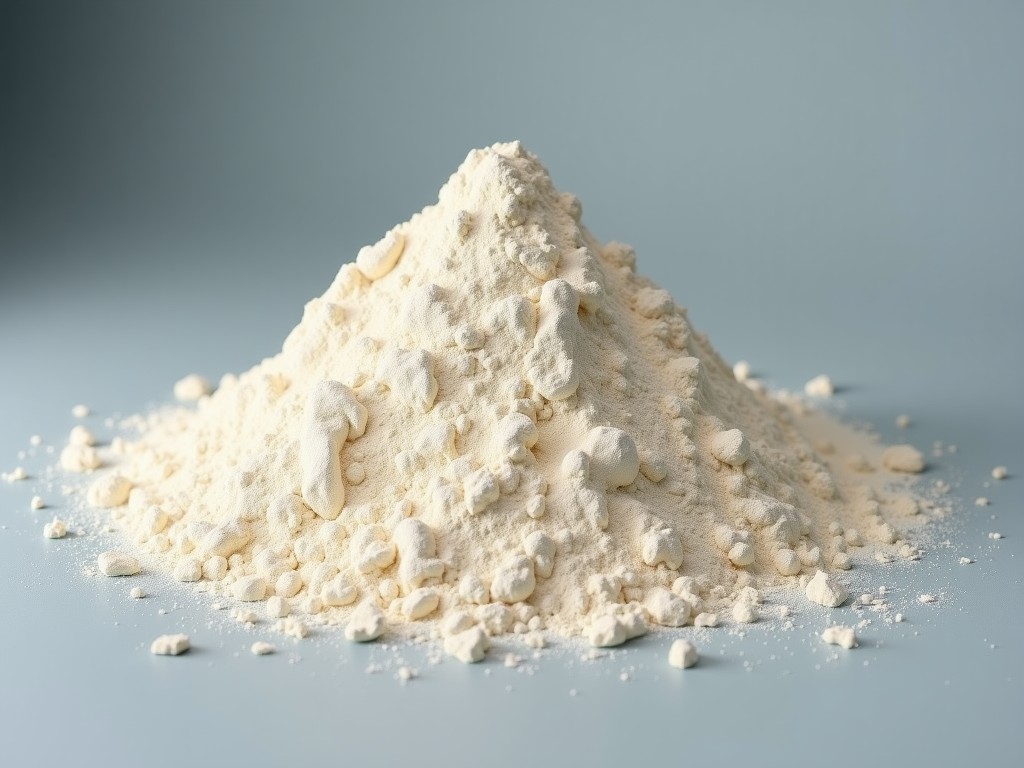
Kaolin clay, also known as china clay, is a soft white mineral primarily composed of kaolinite. Its plate‑like morphology gives it low abrasiveness, high brightness, and controlled rheology, making it suitable for ceramics, paper coating, paints, rubber, and catalyst supports.
Suppliers from China benefit from extensive deposits of high‑purity kaolin located in provinces such as Jiangxi, Fujian, and Guangdong. The raw material undergoes beneficiation steps including crushing, wet‑grinding, classification, magnetic separation, and bleaching to achieve target specifications.
Key Technical Characteristics
Typical values for processed kaolin clay are presented below. Exact numbers vary with deposit origin and processing route; they are provided as reference ranges for engineering evaluation.
| Property | Typical Range | Test Method |
|---|---|---|
| Brightness (ISO‑B) | 84 – 92 % | ISO 2470 |
| Particle Size D50 | 1.8 – 3.5 µm | Laser diffraction |
| Loss on Ignition (LOI) | 0.8 – 1.4 % | ASTM C25 |
| pH (10% slurry) | 4.5 – 5.5 | ISO 787‑9 |
| Specific Gravity | 2.58 – 2.62 | ASTM D854 |
Primary Industrial Applications
In the ceramics sector, kaolin acts as a filler and glaze component, improving whiteness, reducing firing shrinkage, and enhancing translucency of porcelain and sanitaryware.
Paper manufacturers use kaolin as a coating pigment to increase gloss, opacity, and printability while lowering binder demand; the controlled particle size distribution ensures uniform coating thickness.
Paint and coating formulators rely on kaolin’s low oil absorption and inert nature to adjust viscosity, improve hide, and provide resistance to settling without affecting color stability.
Rubber compounders incorporate kaolin to reinforce tensile strength, improve abrasion resistance, and act as a processing aid that reduces compound viscosity during extrusion or molding.
Catalyst carriers benefit from kaolin’s high surface area after calcination, thermal stability, and ability to immobilize active metals such as palladium or nickel for petrochemical reactions.
Quality Assurance & Control
Each batch undergoes a defined inspection protocol before release. Critical parameters are monitored at multiple stages: raw ore assessment, post‑beneficiation slurry, dried powder, and final packaged product.
- Brightness and yellowness measured by spectrophotometer (ISO 2470).
- Particle size distribution verified via laser diffraction; D10, D50, D90 recorded.
- Loss on ignition determined after heating to 1000 °C to confirm removal of volatiles.
- Chemical composition (SiO₂, Al₂O₃, Fe₂O₃, TiO₂) checked by X‑ray fluorescence.
- Magnetic impurity content assessed to ensure low iron levels for high‑brightness grades.
Traceability is maintained through batch numbers linked to quarry location, processing date, and test results, enabling rapid investigation if a field issue arises.
Customization Options
Suppliers can tailor kaolin to specific process requirements through adjustments in beneficiation, surface treatment, and calcination.
- Calcined kaolin (metakaolin) for pozzolanic activity in concrete.
- Surface‑modified grades with silane or fatty acid coatings to improve hydrophobicity for polymer composites.
- Ultra‑fine fractions (D50 < 1 µm) for high‑gloss paper coatings.
- Low‑iron grades (<0.02 % Fe₂O₃) for demanding ceramic whiteness.
Custom specifications are discussed during the technical quotation phase; customers provide target values for brightness, particle size, loss on ignition, and any required surface treatment.
Packaging & Logistics
Standard packaging includes 25 kg multi‑wall paper bags with inner polyethylene liner, stacked on pallets and stretch‑wrapped for stability. Bulk options are available in 500 kg flexible intermediate bulk containers (FIBCs) or pneumatic tanker loads for direct silo feeding.
All packages are marked with product code, batch number, net weight, and safety information. Export shipments comply with ISPM‑15 wood‑free pallet requirements and are accompanied by material safety data sheets (MSDS) and certificates of analysis upon request.
Frequently Asked Questions
Can the particle size distribution be adjusted? Yes, wet‑grinding time and classifier settings are varied to achieve D50 values ranging from 1.5 µm to 5 µm as needed.
What information is required for a quotation? Provide desired brightness, particle size (D50), loss on ignition, intended application, order quantity, and delivery destination.
Are samples available for testing? Representative 500 g samples can be dispatched; customers cover shipping costs or arrange their own courier.
How is product quality verified before shipment? Each lot undergoes full testing per the table above; a certificate of analysis is issued and attached to the shipping documents.