

Kaolin Clay For Skin Whitening Benefits
Kaolin Clay for Skin Whitening – Technical Overview
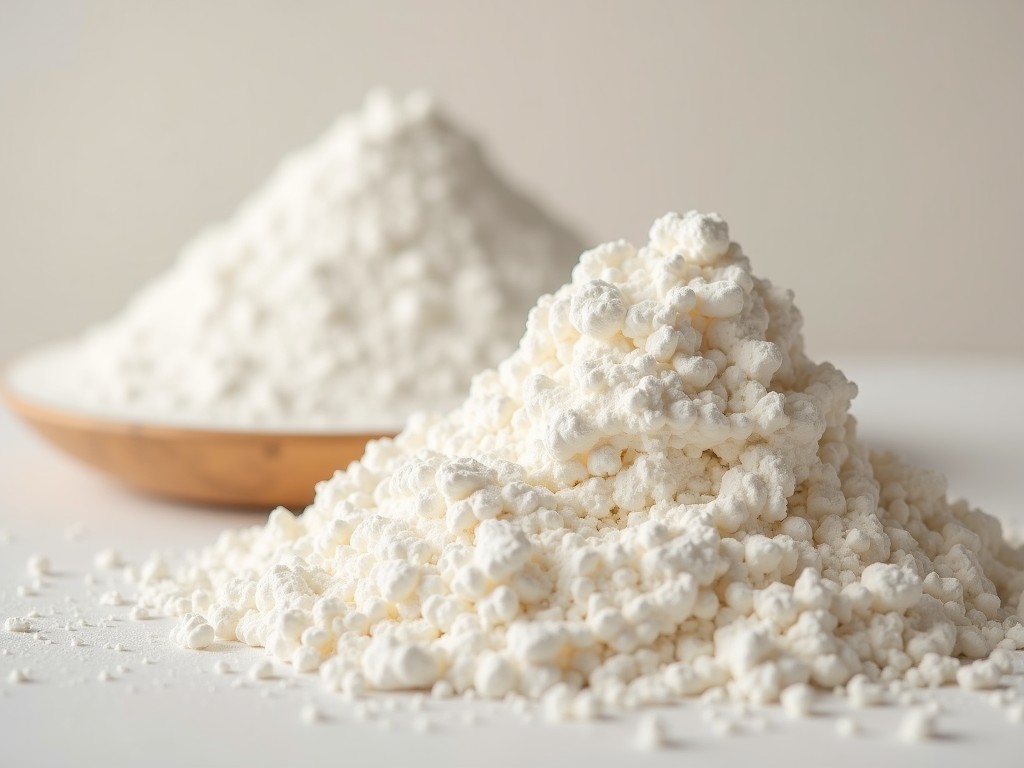
Kaolin, chemically known as hydrated aluminum silicate (Al₂O₃·2SiO₂·2H₂O), is a naturally occurring clay mineral valued for its inertness, fine particle size, and high whiteness. In cosmetic formulations it functions as a functional filler, oil‑absorbing agent, and opacity enhancer that contributes to the perceived skin‑brightening effect.
Composition and Purity Specifications
Typical commercial grades contain 45‑50 % SiO₂, 35‑38 % Al₂O₃, and 5‑7 % bound water, with loss on ignition (LOI) below 12 %. Trace impurity limits are controlled to < 10 ppm for heavy metals such as lead, arsenic, and cadmium, meeting cosmética‑grade requirements.
Mineralogical purity is verified by X‑ray diffraction (XRD) showing a dominant kaolinite peak at 7.15 Å, while accessory minerals (quartz, feldspar) are kept below 2 % by weight to avoid abrasiveness.
Particle Size Distribution and Surface Characteristics
The functional performance in skin‑whitening preparations correlates with the D₅₀ median diameter, typically ranging from 2 µm to 5 µm for cosmetic grades. A narrow distribution (span < 1.5) ensures uniform light scattering and prevents gritty feel.
Specific surface area measured by BET ranges from 8‑12 m²/g, providing sufficient adsorption capacity for sebum and formulation oils without compromising spreadability.
Whitening Mechanism
The perceived brightening arises from two optical effects: (1) Mie scattering of visible light by particles with a refractive index of ~1.56, which increases diffuse reflectance; (2) reduction of surface gloss through oil absorption, lowering specular reflection that can mask uneven tone.
In vitro reflectance measurements on pigment‑laden silicone substrates show a 4‑6 % increase in L* value when 5 wt % kaolin is incorporated, consistent with a perceptible whitening shift.
Functional Benefits in Formulations
- Oil absorption capacity up to 0.45 g/g, delivering a matte finish.
- Rheological modifier that stabilizes emulsions by increasing viscosity at low shear.
- Chemical inertness prevents interaction with active ingredients such as niacinamide or vitamin C derivatives.
- Compatibility with both aqueous and anhydrous systems, enabling use in creams, masks, and powders.
Quality Control and Testing
Each batch undergoes laser diffraction for particle size, ICP‑MS for elemental impurities, and microbiological testing (total aerobic count < 10³ CFU/g, absence of pathogens).
Whiteness index (WI) is measured using a spectrophotometer (CIE L*a*b*) with a target WI > 85 for cosmetic grades, ensuring consistent visual performance.
Typical Specifications
| Parameter | Typical Value | Test Method |
|---|---|---|
| SiO₂ content | 48 % ± 2 | XRF |
| Al₂O₃ content | 36 % ± 2 | XRF |
| Loss on ignition (LOI) | ≤ 11 % | Thermogravimetric analysis |
| D₅₀ particle size | 3.2 µm ± 0.5 | Laser diffraction |
| Whiteness index (WI) | ≥ 86 | CIE L*a*b* |
| Lead (Pb) | < 5 ppm | ICP‑MS |
Applications in Skin‑Whitening Products
Because of its high reflectance and oil‑absorbing nature, kaolin is incorporated into leave‑on creams to reduce surface shine and create an optically lighter appearance. In wash‑off masks it provides a gentle exfoliating feel while depositing a thin layer that scatters light, enhancing immediate brightness after rinsing.
The mineral’s compatibility with pH‑adjusting agents allows formulation in both acidic (vitamin C serums) and neutral (niacinamide‑based) systems without destabilizing emulsions or causing precipitation.
Packaging, Storage and Handling
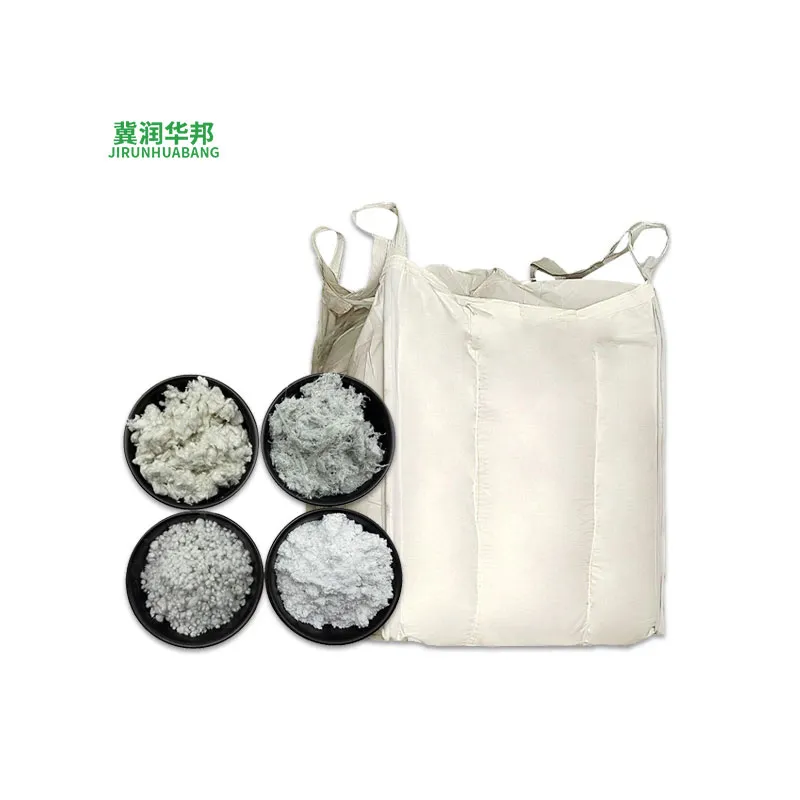
Product is supplied in multi‑wall polyethylene‑lined kraft bags (25 kg) or bulk flexibags (500 kg) with moisture‑barrier inner liners to prevent hydration. Storage temperature should be maintained below 30 °C and relative humidity under 60 % to preserve flowability.
Before use, conditioning the material in a low‑humidity environment for 24 hours reduces agglomeration and ensures consistent dispersion in high‑shear mixers.
Frequently Asked Questions
- Can the particle size be tailored? Yes, jet‑milling or air‑classification can adjust D₅₀ between 1.5 µm and 8 µm per customer specification.
- What information is required for a quotation? Desired grade, quantity, packaging type, and any specific impurity limits (e.g., heavy metal thresholds).
- How is product quality verified? Each lot ships with a certificate of analysis covering chemistry, particle size, whiteness index, and microbiological results.