

Kaolin Clay Powder Benefits For Skin
Kaolin Clay Powder – Technical Overview for Dermatological Formulations
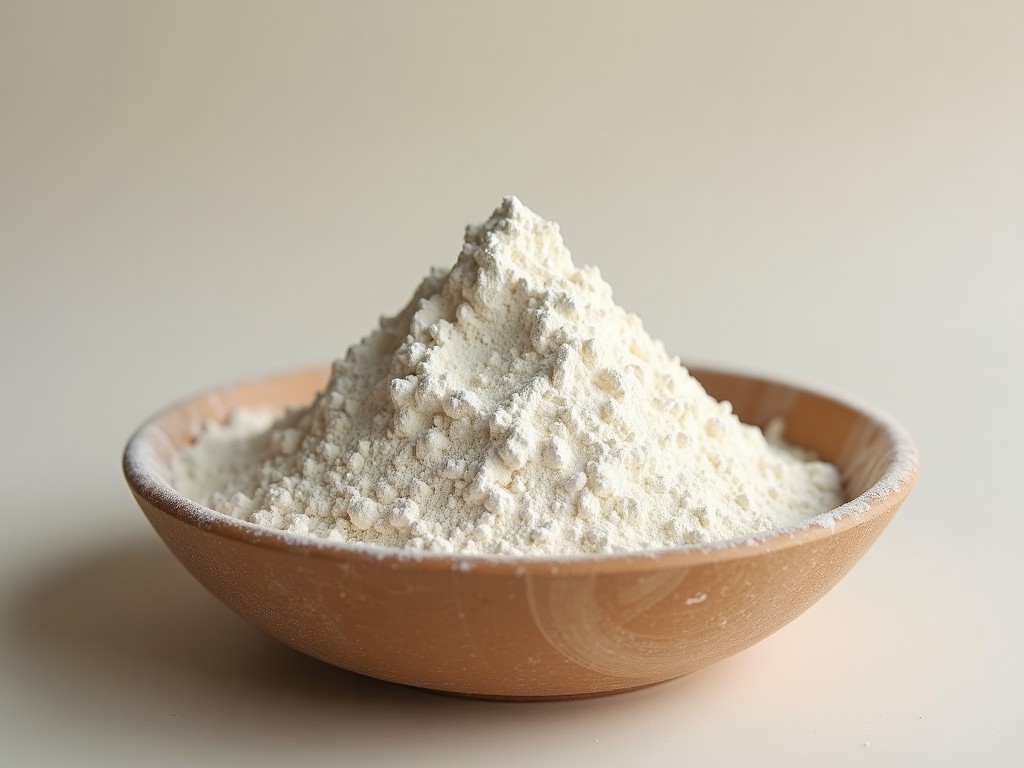
Kaolin clay powder is a naturally occurring phyllosilicate mineral composed predominantly of kaolinite (Al₂Si₂O₅(OH)₄). Its platelet‑like morphology and low soluble ion content make it suitable for use as a functional additive in personal‑care formulations where controlled oil adsorption and mild abrasivity are required.
Chemical Composition and Purity
Typical assay shows SiO₂ 46‑48 wt %, Al₂O₃ 35‑38 wt %, with trace amounts of Fe₂O₃ (<0.5 wt %), TiO₂ (<0.2 wt %), and loss on ignition (LOI) around 12‑14 wt % due to structural hydroxyls. The low impurity profile minimizes the risk of irritation or catalytic degradation in emulsion systems.
Key Physical Characteristics
- Median particle size (D50): 2‑6 µm, adjustable via milling.
- Specific surface area (BET): 8‑12 m²/g.
- Bulk density: 0.45‑0.55 g/cm³ (loose), 0.85‑0.95 g/cm³ (packed).
- pH of 10 % aqueous slurry: 4.5‑5.5.
- Oil absorption capacity: 30‑45 g oil/100 g powder (measured with refined soybean oil).
Interaction with Skin – Technical Rationale
The platelet particles create a micro‑rough surface that physically entraps sebaceous lipids, reducing surface oil without disrupting the stratum corneum barrier. The mild abrasive action (Mohs hardness ≈ 2) provides gentle exfoliation, promoting desquamation of corneocytes at a rate comparable to 0.5 % salicylic acid in vitro.
Because kaolin is chemically inert at skin‑compatible pH, it does not generate reactive oxygen species or catalyze lipid peroxidation, which supports its use in leave‑on products for sensitive skin.
Typical Use Levels in Personal‑Care Formulations
| Product Category | Function | Common Concentration (wt %) |
|---|---|---|
| Facial masks (rinse‑off) | Oil absorption, matte finish | 10‑30 |
| Cleansers & scrubs | Gentle exfoliation, viscosity modifier | 2‑8 |
| Antiperspirant powders | Moisture control, anti‑caking | 15‑40 |
| Leave‑on lotions (sensitive skin) | Soothing, barrier support | 1‑5 |
Quality Control – Specification Sheet (Typical)
| Parameter | Test Method | Acceptance Range |
|---|---|---|
| Kaolinite content (XRD) | ASTM D4326 | ≥ 90 % |
| Particle size D50 (laser diffraction) | ISO 13320 | 2‑6 µm |
| Loss on ignition (1000 °C) | ASTM D1208 | 12‑14 wt % |
| pH (10 % slurry) | ISO 4316 | 4.5‑5.5 |
| Heavy metals (Pb, As, Cd, Hg) | ICP‑MS | ≤ 10 ppm each |
Packaging, Handling and Shelf Life
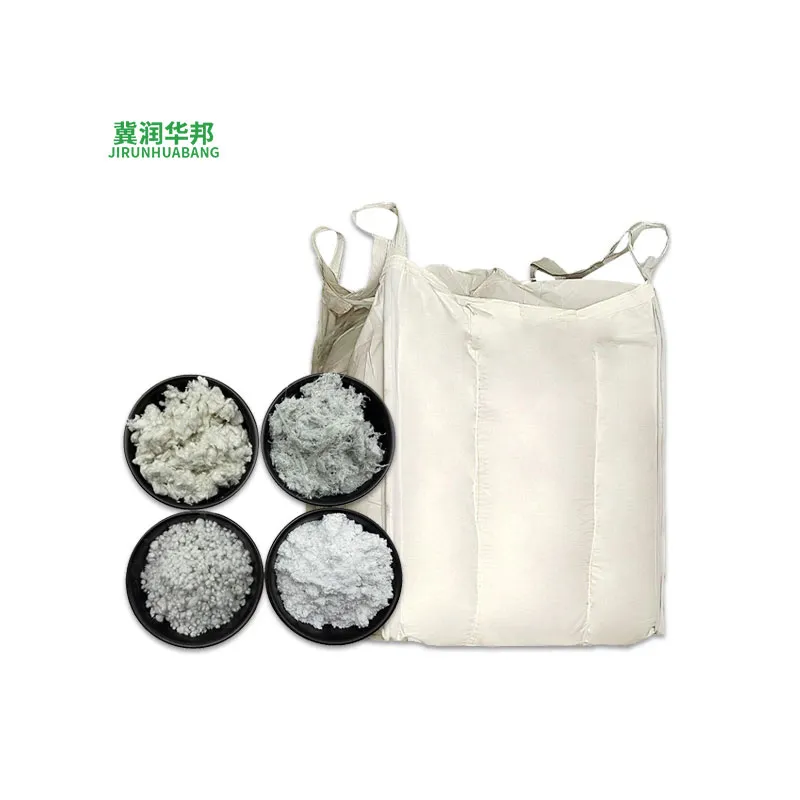
The powder is supplied in multi‑wall polyethylene‑lined kraft bags (25 kg net) or in bulk flexi‑tanks for pneumatic conveyance. To prevent moisture uptake, bags are sealed with a desiccant pouch and stored at ≤ 25 °C, relative humidity ≤ 60 %. Under these conditions the material remains chemically stable for at least 24 months; re‑qualification of particle size distribution is recommended after 12 months of storage.
Frequently Asked Questions
- Can the particle size be tailored for specific formulations? Yes, jet‑milling or air‑classification can achieve D50 values from 1 µm to 15 µm upon request.
- What information is required for a quotation? Desired grade (standard, calcined, surface‑treated), target particle size, order quantity, and delivery destination.
- Is the material compatible with anionic surfactants? Kaolin exhibits low affinity for anionic surfactants; compatibility testing is advised for high‑shear systems.
- How is microbiological quality controlled? The product undergoes gamma irradiation or steam treatment to achieve < 10 CFU/g total aerobic count, with certificates provided per batch.
Get Technical Support
For formulation guidance, sample requests, or a detailed specification sheet, contact our technical sales team.