

Kaolin Clay Uses In Cosmetics Skincare
Kaolin Clay for Cosmetics and Skincare Applications
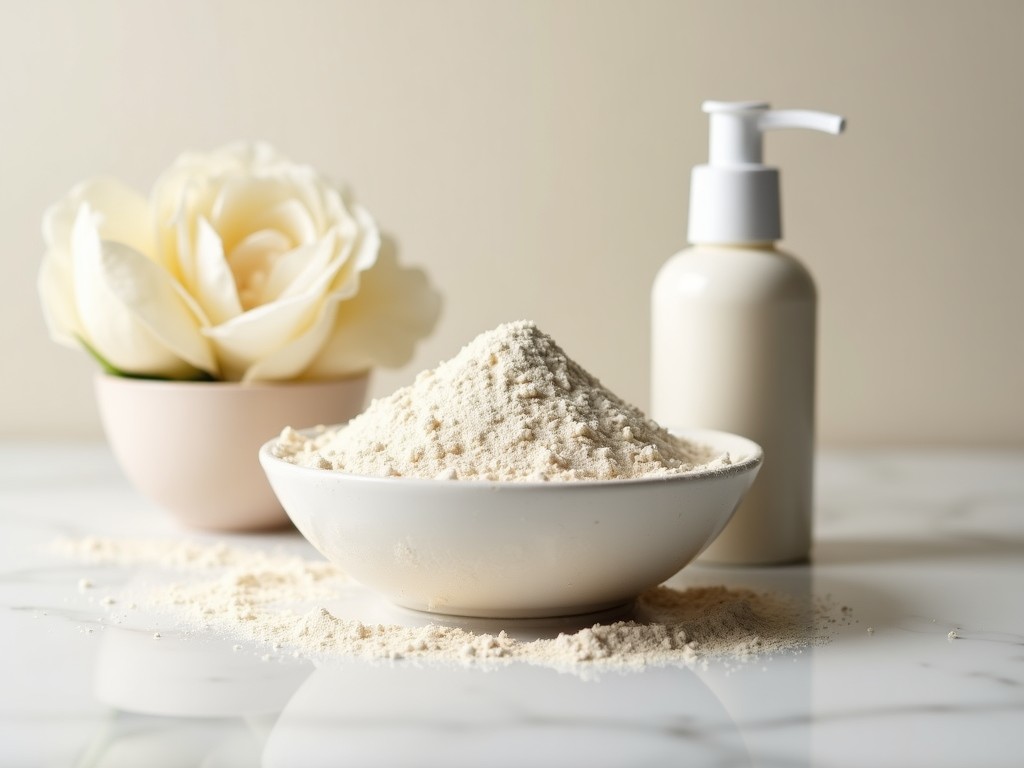
Kaolin clay, also known as white clay, is a naturally occurring hydrous aluminum silicate mineral widely used as a functional ingredient in cosmetics and skincare formulations. Its plate-like morphology and inert chemistry enable controlled oil absorption, mild abrasion, and opacity without irritating sensitive skin.
Chemical Composition
The primary component is kaolinite (Al₂Si₂O₅(OH)₄), typically comprising 90–95 % of the material by weight. Minor constituents include quartz, feldspar, and trace metal oxides that influence whiteness and abrasiveness. Typical loss on ignition (LOI) ranges from 12–14 %, reflecting bound hydroxyl water.
Physical Properties
Bulk density of processed kaolin ranges from 0.4 to 0.6 g/cm³, depending on milling intensity and moisture content. Specific surface area, measured by BET, falls between 5 and 15 m²/g for grades used in skincare. Whiteness (ISO brightness) is commonly 85–95 %, providing a neutral base for pigment dispersion. The pH of a 10 % aqueous suspension is neutral to slightly acidic, around 5.0–6.5, compatible with most dermal formulations. Mohs hardness is approximately 2–2.5, allowing gentle exfoliation without micro‑tearing.
Particle Size Distribution
For cosmetic use, kaolin is typically classified into fine (d₅₀ < 5 µm) and ultrafine (d₅₀ < 2 µm) fractions. Laser diffraction analysis shows a span (d₉₀‑d₁₀)/d₅₀ of 1.2–1.8 for uniform grades. Tight control over the top cut (d₉₈) ensures minimal gritty feel in leave‑on products.
Functional Benefits in Skincare
The high specific surface area enables adsorption of sebum, pollutants, and excess moisture, reducing shine in oily skin formulations. Platelet alignment creates a silky feel and improves spreadability of creams and lotions. Its refractive index (~1.56) contributes to soft-focus optical diffusion, blurring fine lines in makeup bases. Because kaolin is chemically inert, it does not participate in redox reactions, preserving the stability of active ingredients such as vitamins and peptides.
Kaolin’s combination of oil absorption, mild abrasivity, and optical properties makes it a multifunctional additive across rinse‑off and leave‑on skincare. Its compatibility with both aqueous and anhydrous systems allows formulators to adjust viscosity, matte finish, and sensory profile without altering preservative systems.
- Facial masks
- Cleansers and scrubs
- Pressed powders and foundations
- Lotions and moisturizers
- Toothpaste and oral care
- Deodorants and antiperspirants
Manufacturing Process
Raw kaolin ore is first crushed and wet‑ground to achieve the target particle size, followed by magnetic separation to remove iron contaminants. The slurry is then filtered, spray‑dried or flash‑dried, and milled again if needed to reach the final d₅₀ specification. Final product passes through a sieving stage (typically 45 µm mesh) to guarantee absence of coarse particles.
Typical Specifications
| Parameter | Typical Value | Test Method |
|---|---|---|
| Loss on Ignition (%) | 12–14 | ASTM C114 |
| Whiteness (ISO brightness) | 85–95 | ISO 2471 |
| pH (10 % slurry) | 5.0–6.5 | ISO 4316 |
| d₅₀ (µm) | 2–5 (adjustable) | Laser diffraction |
| d₉₈ (µm) | <20 | Laser diffraction |
| Moisture content (%) | <0.5 | ASTM D2216 |
| Iron (Fe₂O₃) (%) | <0.05 | ASTM D4326 |
| Residue on 45 µm sieve (%) | <0.1 | ASTM C136 |
Customization
Particle size, whiteness, and moisture content can be adjusted according to specific formulation requirements. Custom milling, surface treatment, or blending with other silicates is available upon request.
Packaging and Storage
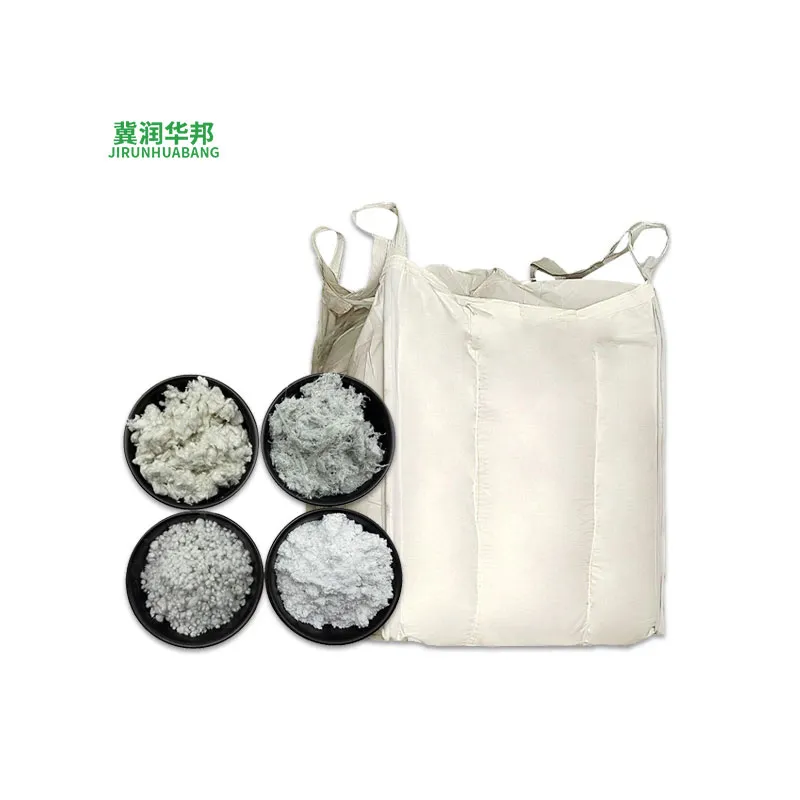
The product is supplied in multi‑wall paper bags with inner polyethylene liner, each bag holding 25 kg net weight. For bulk shipments, 1 tonne flexible intermediate bulk containers (FIBCs) with UV‑stabilized liners are offered. Store in a dry, temperature‑controlled environment (<30 °C, <60 % RH) to prevent agglomeration and maintain flowability.
For technical data sheets, sample requests, or formulation support, please contact our technical service team.
Contact Us