

Kaolin Clay Wholesale Factory Exporter
Kaolin Clay Wholesale Factory Exporter
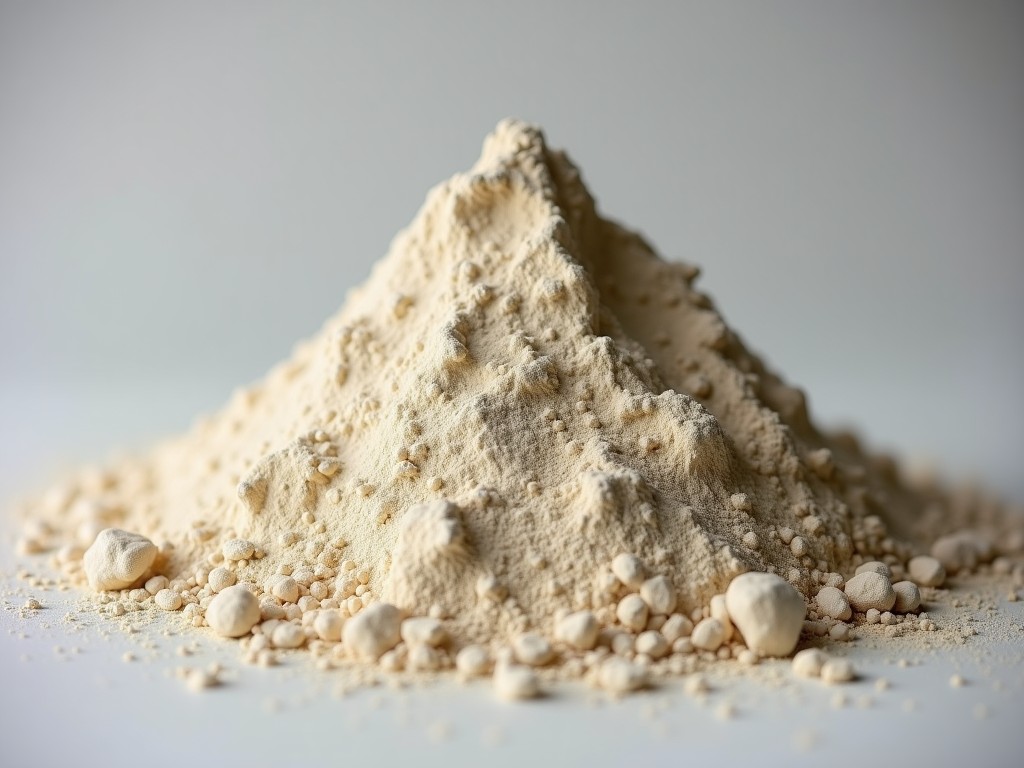
Kaolin clay, also known as china clay, is a naturally occurring hydrous aluminum silicate with the chemical formula Al₂Si₂O₅(OH)₄. Its low impurity content, fine particle size, and platy morphology make it a functional filler and coating pigment across multiple industries.
Chemical Composition and Typical Properties
| Property | Typical Value | Test Method |
|---|---|---|
| Loss on Ignition (LOI) | 12‑14 % | ASTM C373 |
| Brightness (ISO 2470) | 85‑92 % | ISO 2470 |
| Median Particle Size (D50) | 1.8‑2.5 µm | Laser Diffraction |
| pH (10 % slurry) | 4.5‑5.5 | ASTM D1293 |
| Specific Gravity | 2.58‑2.63 | ASTM D854 |
Values represent typical ranges for processed kaolin; actual specifications can be adjusted according to project requirements.
Manufacturing Process Overview
Raw kaolin is extracted from open‑pit mines and transported to the processing plant where it undergoes primary crushing to reduce lump size.
The crushed material is then dispersed in water and subjected to high‑intensity centrifugation or hydrocycloning to remove coarse impurities such as quartz and feldspar.
Following impurity removal, the slurry is filtered, dewatered, and dried in rotary or flash dryers to achieve target moisture content below 0.5 %.
Final milling in jet or ball mills produces the desired particle size distribution, after which the product is classified, blended, and stored for shipment.
Quality Control and Testing Philosophy
Each batch is sampled at multiple stages—raw feed, post‑beneficiation, and final product—to monitor key parameters such as brightness, LOI, and particle size.
Statistical process control charts track variations; any deviation beyond established control limits triggers an automatic hold and root‑cause investigation.
Finished goods are accompanied by a certificate of analysis that includes test results for brightness, particle size distribution, moisture, and chemical composition per ISO or ASTM standards.
Industrial Applications – Why Kaolin Performs
- In paper coating, kaolin provides opacity and ink hold‑out due to its platy particles that create a smooth, uniform surface.
- For ceramics, its low iron content and high melting point contribute to vitreous bodies with reduced glaze defects.
- In paints and coatings, kaolin acts as a functional extender that improves rheology, sag resistance, and film hardness without affecting color.
- Rubber compounds use kaolin as a reinforcing filler that enhances tensile strength and abrasion resistance while maintaining flexibility.
- In adhesives and sealants, the mineral’s low abrasiveness and chemical stability improve storage life and bonding performance.
These benefits stem directly from the mineral’s intrinsic properties rather than any additive treatment, allowing formulators to rely on consistent behavior across batches.
Customization Options
Particle size can be tailored from coarse grades (>10 µm) for rubber filling to ultrafine grades (<1 µm) for high‑gloss paper coatings.
Moisture content is adjustable between 0.2 % and 1.0 % depending on downstream processing needs such as spray drying or slurry preparation.
Surface treatments—including silane coupling agents, amine functionalization, or acid leaching—are available to improve compatibility with polymeric matrices.
Bulk density can be modified through controlled agglomeration, enabling free‑flowing grades for pneumatic conveying or densified grades for reduced shipping volume.
Packaging and Logistics
- Standard 25 kg multi‑wall paper bags with inner polyethylene liner for moisture protection.
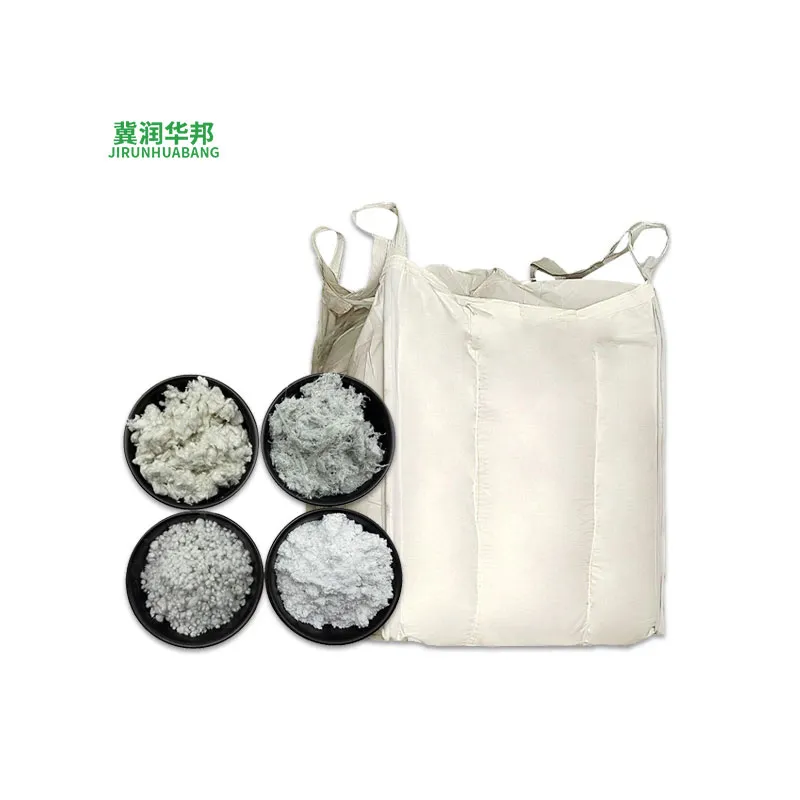
- 500 kg bulk bags (FIBC) with optional anti‑static coating and UV‑stabilized fabric.
- Loose bulk shipment in 20‑ft or 40‑ft containers equipped with moisture‑absorbent desiccants and liner bags.
All packaging options are designed to prevent hydration, caking, and contamination during transit, ensuring product integrity upon arrival.
Frequently Asked Questions
Can dimensions be customized? Yes, particle size distribution, moisture level, and surface chemistry can be adjusted according to your specifications.
What information is required before quotation? Provide target application, required brightness or color, particle size range, order volume, and preferred packaging.
How is quality inspected? Each lot undergoes brightness testing, laser diffraction particle size analysis, LOI determination, and pH measurement; results are documented in a CoA.
What is the typical production lead time? Standard lead time is 2‑3 weeks for stock grades; custom grades may require 4‑6 weeks depending on formulation complexity.
How are export shipments protected? Cargo is sealed in moisture‑barrier liners, equipped with desiccant packs, and monitored with humidity indicators throughout transit.
Contact Us for a Technical Quote
To discuss your specific kaolin clay requirements, request a sample, or obtain a detailed quotation, please reach out to our technical sales team.
Request Quote