
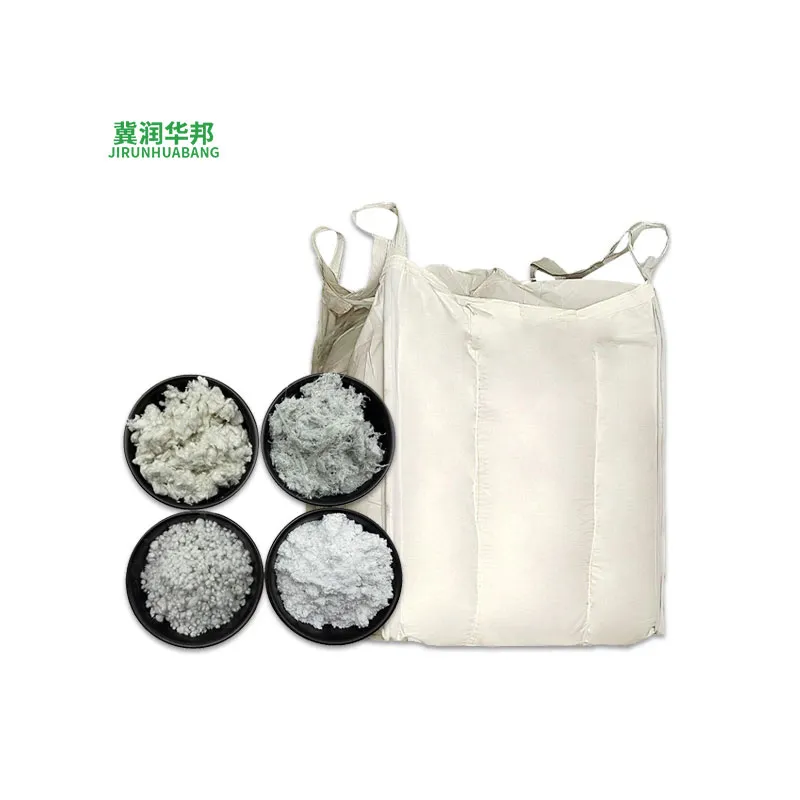
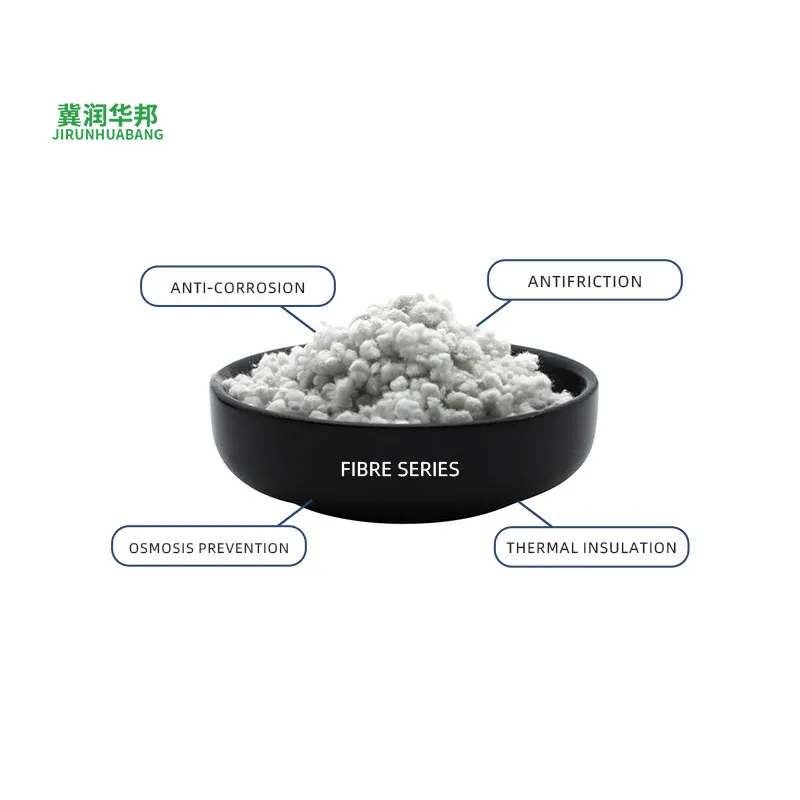
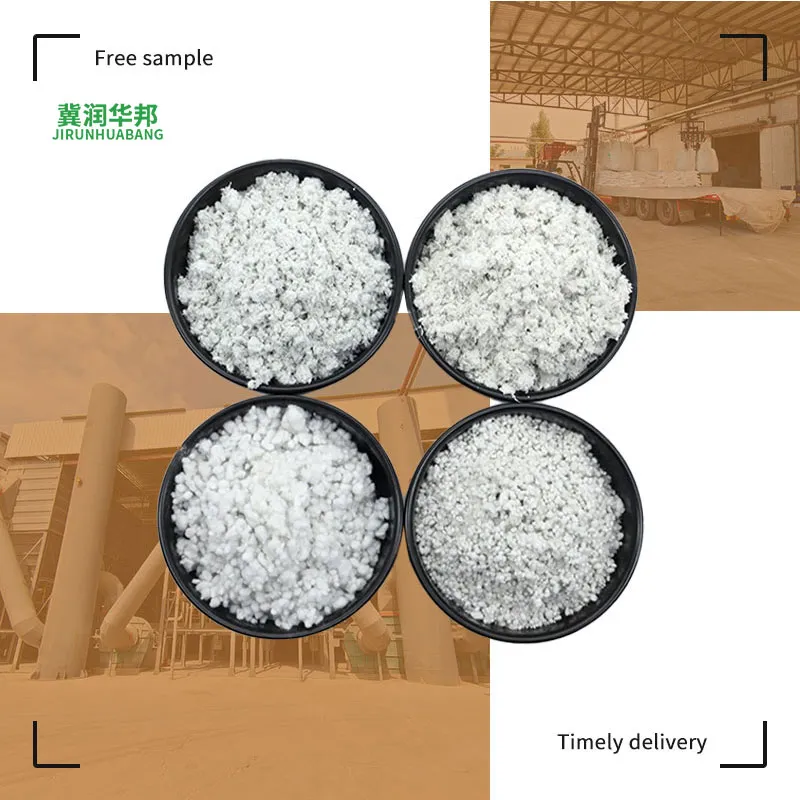

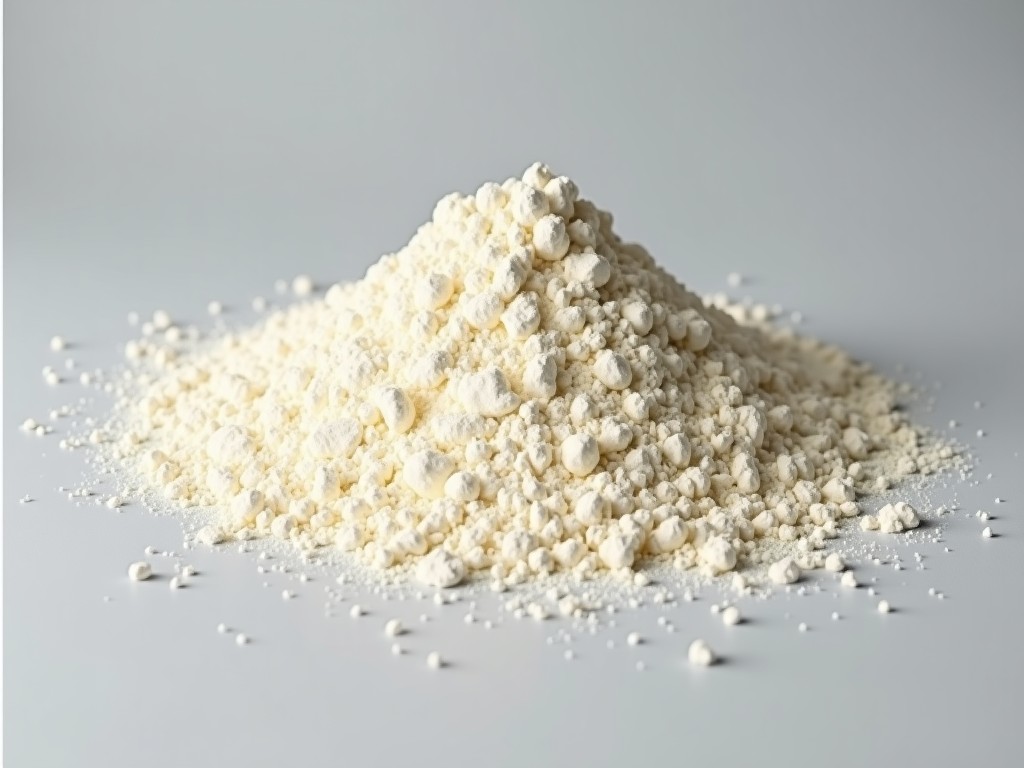
Oem Kaolin Clay Powder Price Per Ton
OEM Kaolin Clay Powder – Price Per Ton Overview
Kaolin clay, primarily composed of the aluminum silicate mineral kaolinite, is a soft white clay valued for its low abrasiveness, chemical inertness, and controllable particle morphology.
Technical Characteristics
Particle size distribution, typically expressed as d50, affects rheology and filler efficiency; grades range from coarse (d50 ~15 µm) for paper coating to ultrafine (d50 <2 µm) for polymer nanocomposites.
Brightness measured per ISO 11475 indicates reflectance; higher brightness (>90 %) improves opacity in paints and reduces pigment loading.
Loss on ignition (LOI) quantifies moisture and volatile content; low LOI (<0.5 %) ensures minimal gas evolution during high‑temperature processing such as calcination.
Specific surface area (BET) and pH influence adsorption behavior and compatibility with acidic or alkaline formulations.
Typical Specification Ranges
| Parameter | Typical Value | Unit | Test Method |
|---|---|---|---|
| d50 (laser diffraction) | 2 – 20 | µm | ISO 13320-1 |
| ISO Brightness | 80 – 95 | % | ISO 11475 |
| Loss on Ignition (LOI) | 0.2 – 0.6 | % | ASTM D373 |
| pH (10 % slurry) | 4.5 – 6.5 | — | ISO 787-9 |
| Specific Surface Area (BET) | 5 – 25 | m²/g | ASTM D6556 |
Factors Influencing Price Per Ton
Raw material location affects mining and transportation costs; deposits with higher natural brightness require less beneficiation, reducing processing expense.
Processing route—water‑washing, calcination, or surface modification—adds energy and reagent costs; calcined kaolin (metakaolin) commands a premium due to its pozzolanic reactivity.
Target particle size refinement involves milling and classification; finer grades increase specific energy consumption and wear on equipment, raising unit price.
Brightness enhancement via bleaching or magnetic separation adds chemical consumables and filtration steps.
Order volume influences economies of scale; truckload quantities typically lower per‑ton cost compared to less‑than‑truckload (LTL) shipments.
Logistics considerations such as distance to port, humidity control, and special packaging (e.g., moisture‑barrier liners) affect final quoted price.
Common Industrial Applications
In paper manufacturing, kaolin acts as a filler and coating pigment; its platy structure improves light scattering, increasing opacity and print smoothness while reducing binder demand.
Ceramic bodies benefit from kaolin’s low iron content and high fusion temperature, contributing to whiteness and thermal shock resistance in sanitary ware and tableware.
Paints and coatings use kaolin to control viscosity, prevent settling, and enhance scrub resistance; the particle shape provides reinforcement without significantly increasing gloss.
Plastics and rubber compounds incorporate kaolin as a stiffening filler; aspect ratio and surface treatment influence tensile strength and impact modulus.
In adhesives and sealants, kaolin improves thixotropy and reduces shrinkage, offering cost‑effective volume filling while maintaining bond strength.
Quality Control and Testing
Laser diffraction provides repeatable d10, d50, d98 values; results are corrected for refractive index to ensure comparability across laboratories.
Spectrophotometric brightness measurements are performed under standardized illumination (D65) and viewing geometry to eliminate operator bias.
Thermogravimetric analysis (TGA) tracks mass loss steps corresponding to dehydroxylation (~550 °C) and organic combustion, verifying LOI specifications.
Inductively coupled plasma (ICP‑OES) screens for trace metals such as Fe, Ti, and Cr; limits are set according to end‑use sensitivity (e.g., <0.02 % Fe for high‑brightness paper grades).
Batch‑to‑batch consistency is monitored via control charts; any shift beyond ±2σ triggers investigation of raw material feed or mill wear.
Packaging and Logistics
Standard packaging includes multi‑wall paper bags (25 kg) with inner polyethylene liner to resist moisture uptake during transit.
For bulk shipments, valve‑sealed polypropylene super sacks (500 kg or 1 t) equipped with dust‑tight seams facilitate pneumatic conveying and reduce product loss.
Palletization uses heat‑treated wooden pallets, stretch‑wrapped, and corner‑board protected to meet ISPM‑15 requirements for international shipments.
Hygroscopic grades may be shipped in climate‑controlled containers or with desiccant packs to maintain target moisture content (<0.1 %).
Lead times depend on destination and order size; typical ex‑works lead time is 2–4 weeks for stocked grades, with longer periods for custom particle‑size or surface‑treated lots.
Frequently Asked Questions
- Can the particle size distribution be customized? Yes, milling parameters and classifier settings are adjusted to meet target d50 and cut‑point specifications; trial batches are evaluated before full‑scale production.
- What information is required for a quotation? Required details include desired grade (brightness, d50, LOI), estimated annual quantity, packaging preference, and delivery incoterm.
- How is quality consistency assured across batches? Each lot undergoes full statistical process control; certificates of analysis include measured values for all specified parameters.
- Are there options for surface treatment? Silane or coupling agent treatments are available to improve compatibility with polar polymers; treatment levels are expressed as weight percent and verified by FTIR.
For a detailed quotation tailored to your specifications, please contact our technical sales team.
Request Quote