


Pink Kaolin Clay Benefits Suppliers
Pink Kaolin Clay Benefits for Suppliers
Pink kaolin clay is a naturally occurring aluminosilicate mineral distinguished by its pink hue, resulting from trace iron oxide inclusions.
Suppliers value this material for its consistent particle size distribution, low abrasiveness, and suitability as a functional filler in coatings, polymers, and cosmetics.
What is Pink Kaolin Clay?
The mineral originates from weathered feldspar-rich rocks, undergoing hydrothermal alteration that yields a fine-grained kaolinite matrix.
Unlike white kaolin, the pink variant retains measurable amounts of ferrous and ferric oxides, which influence its color and slightly affect its refractive index.
Chemical Composition
Typical oxide content is measured by X-ray fluorescence and reported as weight percent.
The table below shows common ranges for the principal components based on bulk sample analysis.
| Oxide | Typical Range (wt%) |
|---|---|
| SiO₂ | 45–50 |
| Al₂O₃ | 35–38 |
| Fe₂O₃ | 0.5–1.5 |
| TiO₂ | 0.1–0.3 |
| K₂O | 0.2–0.5 |
| LOI | 12–14 |
Physical Properties
Key physical attributes govern performance in downstream processing.
These include particle size, specific gravity, moisture content, and pH.
- Particle size (D50): typically 2–8 µm
- Specific gravity: 2.6 g/cm³
- Moisture content: ≤0.2 % (weight)
- pH (aqueous slurry): 4.5–5.5
- Abrasion resistance: low Mohs hardness ~2–2.5
Benefits for Industrial Applications
The iron oxide content imparts mild UV shielding, beneficial in outdoor coatings.
Additionally, the low abrasive nature reduces wear on milling equipment, extending tool life.
Its high brightness in the pink spectrum allows for color tuning without heavy pigment loads.
Supplier Considerations: Purity, Particle Size, Moisture
Buyers assess lot-to-lot variability to ensure consistent formulation behavior.
Critical specifications often include a maximum of 0.2% residual moisture and a D90 under 20 µm.
Trace heavy metal limits are also verified to meet cosmetic grade regulations.
Quality Control & Testing
Suppliers implement a combination of wet sieving, laser diffraction, and gravimetric analysis.
Batch certificates typically report loss on ignition, pH, and iron oxide content.
Third-party accreditation such as ISO 9001 supports traceability.
Customization Options
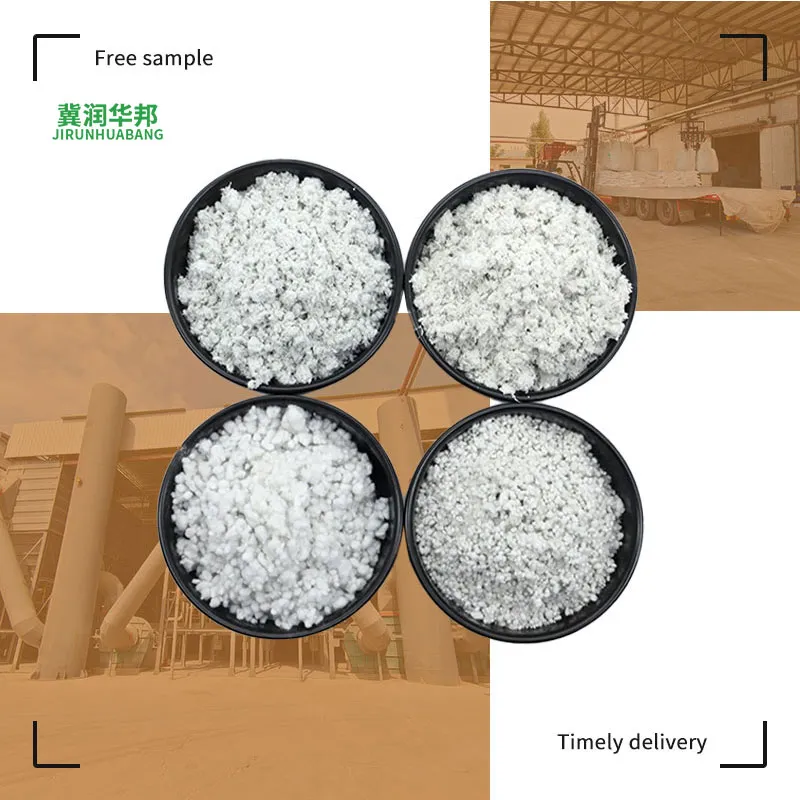
Particle size can be adjusted through controlled milling or air classification.
Surface treatment with silanes or fatty acids is available to improve compatibility with polar or non-polar matrices.
Packaging & Shipping
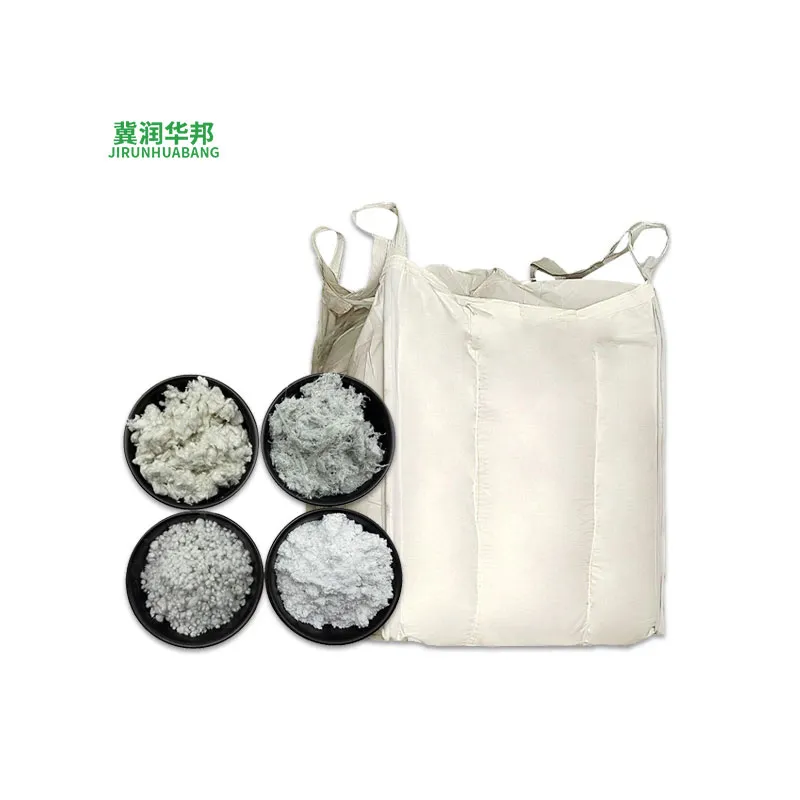
Material is commonly packed in multi-wall polyethylene bags placed inside rigid containers to prevent moisture uptake.
Bulk shipments utilize sealed bulkers or flexitanks with desiccant packs for long-distance transport.
FAQ
Can the particle size distribution be customized?
Yes, suppliers can adjust D50 and D90 values via jet milling or classifiers to meet specific formulation needs.
What information is required before quotation?
Typical details include target application, required purity level, particle size specs, moisture tolerance, and order volume.
How is quality inspected for each batch?
Each lot undergoes laser diffraction for size distribution, XRF for chemistry, and gravimetric LOI testing, with results reported on a certificate of analysis.
Request a Technical Data Sheet or Sample
Contact the technical team to discuss grade selection, testing protocols, or logistics.
Provide your application details to receive a tailored quotation within two business days.
Request Information