

Pure Kaolin Clay Powder Factory Price
Pure Kaolin Clay Powder – Factory Price
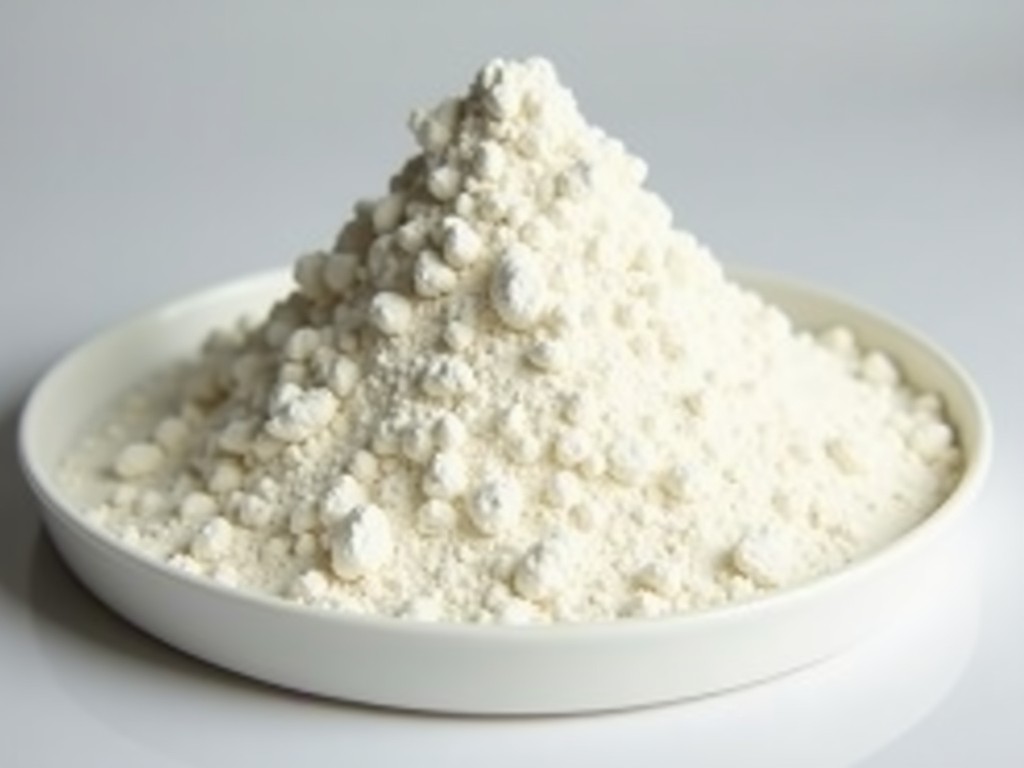
Kaolin clay is a naturally occurring hydrous aluminum silicate formed by the weathering of feldspar-rich rocks. Its low impurity levels and consistent platelet morphology make it a functional filler and extender across multiple industrial sectors.
When sourced directly from the manufacturer, the material is offered at factory price, eliminating intermediary markups while maintaining traceable quality from mine to shipment.
Typical Technical Specifications
The following table lists representative values obtained from routine quality testing. Actual figures may vary slightly between lots and can be adjusted to meet specific project requirements.
| Property | Typical Value | Test Method |
|---|---|---|
| SiO₂ (wt%) | 46.0 – 48.0 | XRF |
| Al₂O₃ (wt%) | 36.0 – 38.0 | XRF |
| Fe₂O₃ (wt%) | ≤0.5 | XRF |
| TiO₂ (wt%) | ≤0.2 | XRF |
| Loss on Ignition (wt%) | 12.0 – 13.5 | TG‑DTA @ 1000 °C |
| d₅₀ (µm) | 2.0 – 2.5 | Laser diffraction |
| d₉₀ (µm) | ≤10.0 | Laser diffraction |
| ISO Brightness (%) | ≥85 | ISO 2470 |
| pH (10% slurry) | 4.5 – 5.5 | ISO 787‑9 |
| Moisture Content (wt%) | ≤0.5 | Karl Fischer |
Key Industrial Applications
Kaolin’s performance derives from its fine particle size, high brightness, and chemical inertness. These attributes enable it to improve product appearance, processing behavior, and end‑use durability in diverse manufacturing environments.
- Paper coating – provides gloss, opacity, and ink hold‑out while reducing binder demand.
- Ceramic bodies – acts as a flux‑reducing agent, enhancing green strength and fired whiteness.
- Paint and coatings – functions as an extender pigment that improves viscosity control and film hardness.
- Rubber compounds – reinforces modulus and abrasion resistance without significantly affecting cure kinetics.
- Plastics – improves dimensional stability and surface finish in PVC, PP, and engineering polymers.
- Adhesives and sealants – contributes to thixotropy and sag resistance in formulations.
Quality Assurance and Testing
Each production batch undergoes a defined sampling plan according to ISO 2859‑1. Samples are collected from multiple points across the lot to capture any potential segregation.
Laboratory analysis includes X‑ray fluorescence for elemental composition, laser diffraction for particle size distribution, and spectrophotometric measurement of brightness. Results are compared against internal specification limits before release.
Traceability is maintained through batch numbers that link raw material source, processing parameters, and final test reports, enabling rapid investigation if a deviation is reported.
Packaging, Storage, and Handling
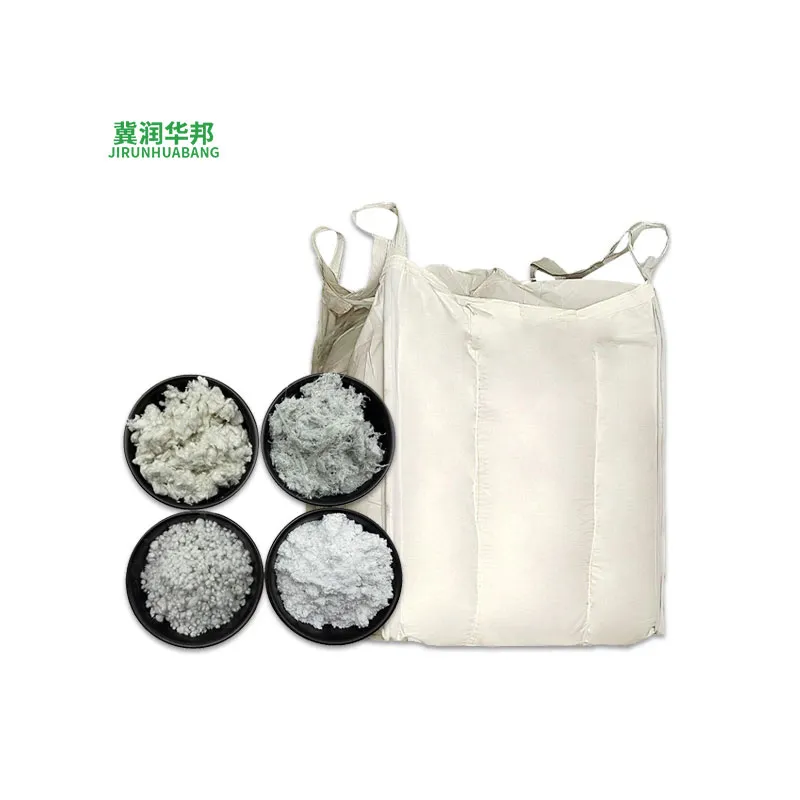
The powder is packed in multi‑wall polypropylene bags with an inner polyethylene liner to prevent moisture ingress. Standard net weights are 25 kg per bag, with options for 500 kg bulk sacks upon request.
Pallets are stretch‑wrapped and fitted with corner protectors for stable transport. Storage should be in a dry, covered area with temperature below 35 °C to avoid clumping.
Handling recommendations include the use of dust‑control equipment and personal protective equipment as outlined in the material safety data sheet.
Frequently Asked Questions
- Can the particle size distribution be customized? Yes, milling and classification adjustments can shift d₅₀ within the 1.5–3.5 µm range to suit specific rheological or opacity targets.
- What information is required before a quotation? Required details include desired quantity, packaging preference, destination port, and any special specification such as brightness or LOI limits.
- Which quality certificates are available? Standard certificates of analysis, ISO 9001 compliance, and REACH documentation can be provided with each shipment.
- How are export shipments protected against moisture? Each bag includes a desiccant pouch, and the outer wrapping is water‑resistant. For long sea voyages, additional vapor‑barrier liners can be added.
- What is the typical lead time for factory‑price orders? Lead time ranges from 2–4 weeks after receipt of purchase order, depending on order size and current production schedule.
Request a Quote or Sample
To obtain a current factory‑price quotation, request a technical data sheet, or arrange a sample shipment, please contact our sales engineering team using the form below.