

Skin Benefits Of Kaolin Clay
Kaolin Clay – Technical Overview and Skin Benefits
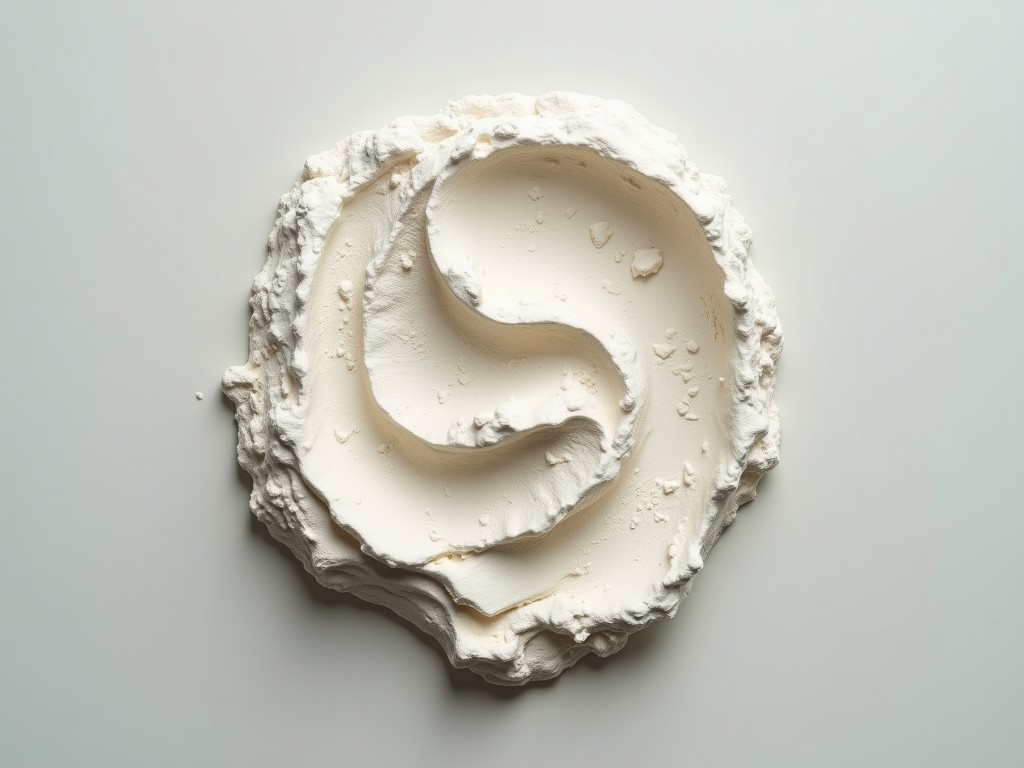
Kaolin clay, also known as china clay, is a naturally occurring hydrous aluminum silicate with the idealized formula Al₂O₃·2SiO₂·2H₂O. It forms from the weathering of feldspar-rich rocks and is typically mined as a soft, white powder.
The mineral’s performance in topical formulations stems from its controlled particle size distribution and low abrasive hardness. Milled grades commonly exhibit a d₅₀ between 2 µm and 5 µm, with a specific surface area (BET) ranging from 10 m²/g to 15 m²/g.
When dispersed in aqueous or anhydrous systems, kaolin exhibits measurable adsorptive and absorbent properties. Its surface hydroxyl groups bind polar molecules, while its layered structure traps non‑polar sebum, providing a matte feel without over‑drying the skin.
Typical Technical Values
| Property | Typical Value | Unit / Note |
|---|---|---|
| Chemical Composition | Al₂O₃·2SiO₂·2H₂O | Stoichiometric |
| Loss on Ignition (LOI) | 11 % – 13 % | wt % @ 1000 °C |
| pH (10 % slurry) | 4.5 – 5.5 | @ 25 °C |
| Median Particle Size (D50) | 2 µm – 5 µm | Laser diffraction |
| Specific Surface Area (BET) | 10 m²/g – 15 m²/g | N₂ adsorption |
| Oil Absorption | 30 g – 40 g | per 100 g clay |
These values represent typical ranges for commercially available grades; exact specifications can be adjusted according to project requirements through milling, classification, or surface treatment.
Applications in Dermatological and Personal Care Formulations
In personal care formulations, kaolin is selected for specific functional roles rather than as a filler. Its inert nature and predictable rheology enable designers to achieve target sensory and performance outcomes.
- Facial masks and poultices – provides controlled drying and impurity uptake through adsorptive binding of excess oils and particulate debris.
- Cleansers and scrubs – offers mild abrasivity for mechanical exfoliation while suspending insoluble actives to prevent settling.
- Powders and dry shampoos – absorbs sebum and reduces shine, extending the interval between washes without leaving residue.
- Soap bases – improves hardness and lather consistency by acting as a nucleating agent during saponification.
- Sunscreen emulsions – contributes to rheology control and UV scattering, enhancing spreadability and stability of inorganic filters.
- Deodorant formulations – aids in moisture absorption and odor control by trapping volatile compounds within its interlayer spaces.
Processing and Quality Considerations
Production typically involves crude ore blasting, hydraulic mining, and subsequent wet‑processing to remove impurities such as quartz and mica. The slurry is filtered, dewatered, and dried in rotary or flash dryers to achieve a target moisture content below 0.5 %. Final milling is performed with air‑jet or ball mills, followed by classification to obtain the desired particle‑size cut‑off.
Quality assurance relies on laser diffraction for size distribution, gravimetric LOI for purity, and pH measurement of a 10 % aqueous dispersion. Batch‑to‑batch variability is minimized by controlling drying temperature and mill residence time, ensuring consistent adsorption capacity across lots.
Frequently Asked Questions
- Can the particle size distribution be customized?
- Yes. Milling parameters and air‑classifier settings can be adjusted to produce grades ranging from coarse (d₅₀ ≈ 15 µm) for abrasive scrubs to ultrafine (d₅₀ < 2 µm) for silky feel powders.
- What packaging options are available for bulk shipment?
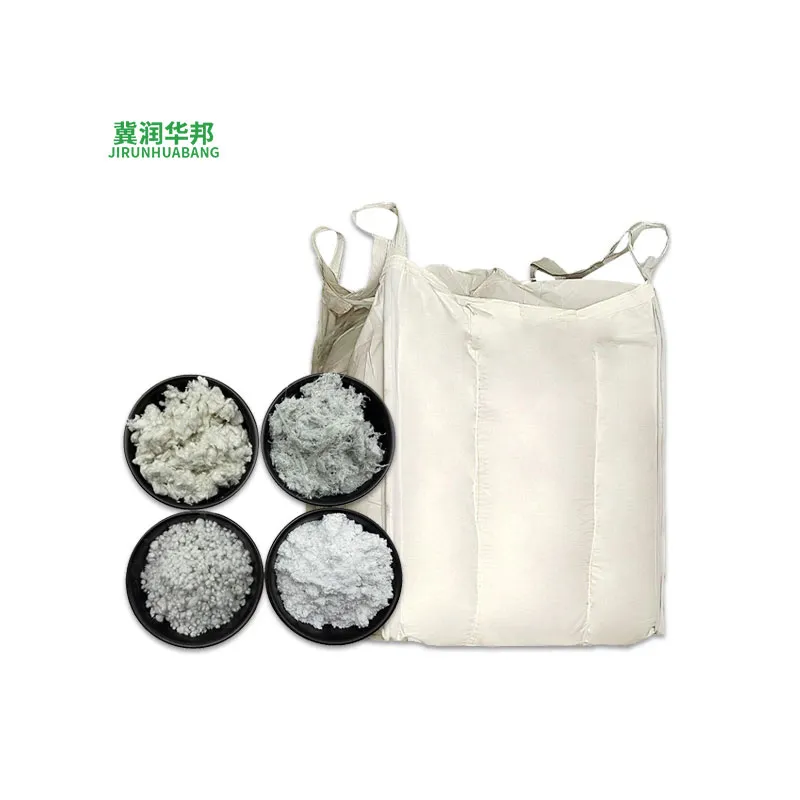
- Standard options include multi‑wall paper bags (25 kg), polyethylene‑lined bags (50 kg), and flexible intermediate bulk containers (FIBS) up to 1 t. Moisture‑barrier liners are offered upon request.
- What is the typical production lead time?
- Lead times vary from 2 weeks for stock grades to 6‑8 weeks for custom‑specified material, depending on lot size and required testing.
- Are samples available for formulation testing?
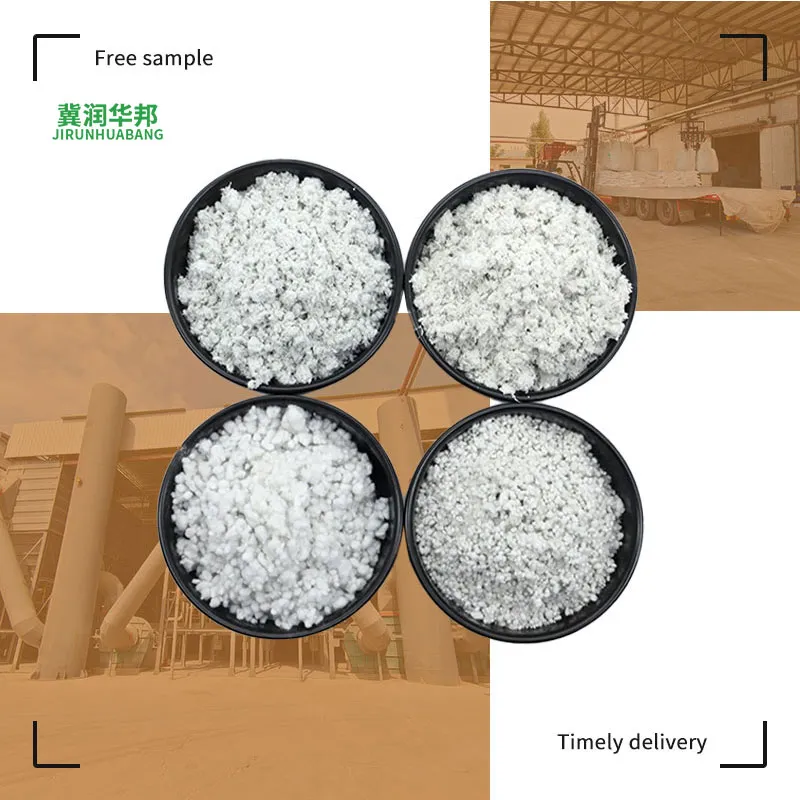
- Yes. Representative samples (up to 1 kg) can be dispatched after a technical data sheet review and completion of a sample request form.
For detailed specifications, customization discussions, or to request a sample, please contact our technical team.