




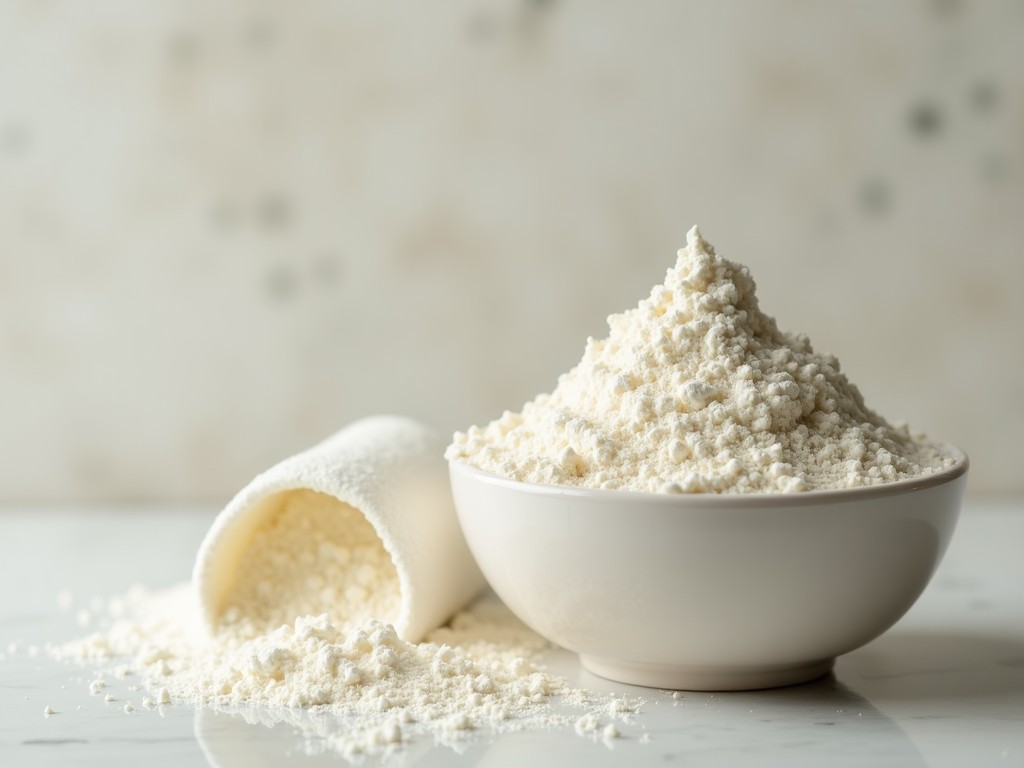
Uses Of Kaolin Clay For Skin
Uses of Kaolin Clay for Skin
Kaolin, also known as china clay, is a naturally occurring hydrous aluminum silicate with the idealized formula Al₂Si₂O₅(OH)₄. It forms through the weathering of feldspar-rich rocks and consists of stacked platy particles that impart a smooth, soft texture when dispersed in aqueous systems.
Chemical and Physical Properties
- Typical particle size distribution: D₅₀ between 2 µm and 5 µm, with a narrow range ensuring uniform dispersion.
- Specific surface area: 10–15 m²/g, providing adequate adsorption capacity without excessive abrasiveness.
- pH of a 10 % slurry: 4.5–5.5, mildly acidic, compatible with most skin‑care formulations.
- Oil absorption capacity: 30–40 g oil/100 g clay, useful for sebum control in topical products.
- Loss on ignition (LOI) at 1000 °C: 12–14 %, reflecting the bound hydroxyl content.
Mechanism of Action on Skin
When applied, kaolin particles adsorb excess sebum and impurities via surface hydroxyl groups, reducing surface oil without stripping the lipid barrier. The fine platy morphology offers a mild physical exfoliation that aids in the removal of desquamated corneocytes while minimizing irritation. Additionally, the clay’s slight negative surface charge can interact with positively charged microbes, contributing to a cleansing effect.
Typical Applications in Skincare Formulations
- Facial cleansers: used at 3–8 % to provide slip, improve foaming stability, and deliver a matte finish.
- Clay masks: incorporated at 10–20 % to create a spreadable paste that dries to a firm film, facilitating impurity draw‑out.
- Exfoliating scrubs: added at 2–5 % as a gentle abrasive alternative to microbeads.
- Soothing gels and lotions: included at 1–3 % to adjust viscosity and impart a silky feel.
Recommended Usage Levels and Processing Considerations
For stable dispersions, kaolin should be pre‑wetted with a small amount of glycerin or propylene glycol before incorporation into the aqueous phase to prevent agglomeration. The optimal pH range for most emulsions is 4.5–6.0; outside this range, the clay may undergo flocculation, affecting texture. Typical usage levels are dictated by the desired oil‑absorbing capacity and sensory profile, generally not exceeding 20 % in rinse‑off products and 10 % in leave‑on formulations to avoid excessive drying.
Quality Control Specifications
| Parameter | Typical Value | Test Method |
|---|---|---|
| Loss on Ignition (LOI) | 12–14 % | ASTM C24 |
| Residue on 45 µm sieve | ≤0.05 % | ASTM C110 |
| pH (10 % slurry) | 4.5–5.5 | ISO 787-9 |
| Oil Absorption (g/100 g) | 30–40 | ASTM D281 |
| Lead (Pb) content | ≤10 ppm | ICP‑OES |
| Arsenic (As) content | ≤2 ppm | ICP‑OES |
Frequently Asked Questions
Can the particle size be tailored for specific applications?
Yes, kaolin can be milled or classified to achieve D₅₀ values ranging from 1 µm for ultra‑fine masks to 10 µm for heavier‑duty scrubs, based on end‑use requirements.
What information is needed to obtain a quotation?
Required details include target particle size distribution, intended usage level, packaging format (e.g., multi‑wall bags, bulk totes), and any specific purity limits for heavy metals.
Which grades are available for cosmetic use?
Cosmetic‑grade kaolin is supplied as washed, bleached, or calcined variants, each meeting USP <61> and CTFA microbial limits.
How is product quality verified before shipment?
Each lot undergoes LOI, sieve analysis, pH, oil absorption, and heavy‑metal testing; a certificate of analysis accompanies every delivery.