




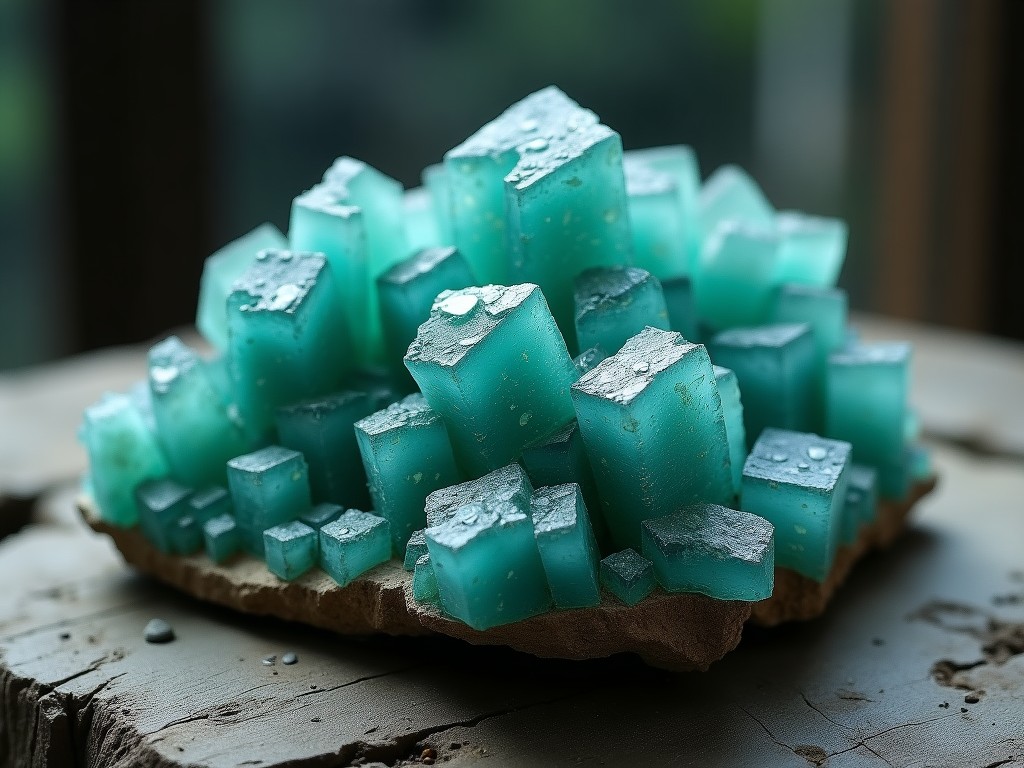
China Mineral Sepiolite Factory Price
China Mineral Sepiolite Factory Price
Sepiolite is a magnesium silicate clay mineral characterized by a fibrous, needle‑like crystal structure that creates a high aspect ratio and a network of micropores. It occurs naturally in sedimentary deposits and is processed to remove impurities while preserving its intrinsic porosity and surface chemistry.
Technical Properties
The functional performance of sepiolite stems from measurable attributes such as specific surface area, pore volume, cation exchange capacity, loss on ignition, bulk density, and thermal stability. These values vary with purity, particle size, and any post‑treatment applied.
| Property | Typical Value* |
|---|---|
| Specific Surface Area (BET) | 150‑350 m²/g |
| Pore Volume | 0.30‑0.55 cm³/g |
| Cation Exchange Capacity | 15‑30 meq/100 g |
| Loss on Ignition (1000 °C) | 8‑12 % |
| Bulk Density (loose) | 0.30‑0.45 g/cm³ |
| Maximum Service Temperature | ≈900 °C (structural retention) |
*Values are typical for processed, industrial‑grade sepiolite; actual figures depend on the specific deposit and any customization requested.
Industrial Applications
The combination of high surface area, tunable pore chemistry, and fibrous reinforcement makes sepiolite valuable in processes where adsorption, rheology control, or mechanical strengthening is required. Each application exploits a distinct subset of its properties.
- In oil‑based drilling fluids, sepiolite contributes to viscosity and suspension stability at low concentrations, reducing the need for synthetic polymers while maintaining thermal stability downhole.
- As a feed additive, its porous structure adsorbs mycotoxins and ammonia, improving gut health and reducing odor in livestock operations.
- When compounded into polypropylene or PVC, the fibrous particles act as a micro‑reinforcing agent, increasing tensile strength and impact resistance without significantly raising melt viscosity.
- In wastewater treatment, sepiolite’s cation exchange capacity enables removal of heavy metals such as Pb²⁺, Cd²⁺, and Cu²⁺ from aqueous streams, often achieving >90 % uptake under optimal pH.
- Agricultural soil conditioners use sepiolite to increase water‑holding capacity and slowly release nutrients, enhancing drought tolerance in sandy soils.
Manufacturing & Quality Control
Raw sepiolite is extracted via open‑pit mining, then crushed, dried, and milled to achieve target particle size distributions. Subsequent steps may include sieving, air classification, and optional surface activation (acid or organomodification) to tailor surface chemistry.
Quality assurance relies on standardized testing: BET analysis for surface area, methylene blue adsorption for cation exchange capacity, thermogravimetric analysis for loss on ignition, laser diffraction for particle size, and moisture content via loss on drying at 105 °C. Each lot is accompanied by a test report confirming conformance to the agreed specification.
Customization Options
- Particle size range: from coarse granular (2‑5 mm) for filtration to fine powder (<45 µm) for polymer compounding.
- Moisture content: adjustable from <0.5 % (dry) to 5‑7 % (controlled humidity) per client requirement.
- Surface treatments: acid activation to increase porosity, silane grafting for hydrophobicity, or quaternary ammonium loading for antimicrobial functionality.
- Packaging: multi‑wall paper bags with inner polyethylene liner (25 kg), flexible intermediate bulk containers (500‑1000 kg), or bulk truckload with moisture‑proof lining.
Packaging & Logistics
To prevent moisture uptake during transit, sepiolite is packed in bags that combine an outer kraft layer for puncture resistance with an inner polyethylene barrier. Palletized shipments are stretch‑wrapped and fitted with desiccant packs when long‑term storage is anticipated. Container loading follows ISO 1496‑1 guidelines to ensure weight distribution and securement.
Frequently Asked Questions
Can the particle size distribution be adjusted?
Yes, milling and air classification allow us to produce grades ranging from coarse granules for filtration to sub‑45 µm powders for composite reinforcement, based on the customer’s sieve analysis requirements.
What information is needed for a quotation?
Required details include desired grade (surface area, CEC, moisture), quantity, delivery destination, any surface treatment preferences, and preferred packaging format.
How is product quality verified?
Each batch undergoes BET surface area, methylene blue adsorption, thermogravimetric loss on ignition, laser diffraction particle sizing, and moisture content testing; results are documented in a certificate of analysis provided with the shipment.
What is the typical lead time?
Standard grades usually ship within 2‑3 weeks after purchase order confirmation; customized grades or large volumes may require 4‑6 weeks, depending on production scheduling and raw‑material availability.
For technical discussions or to request a formal quotation, please use the link below.
Request Quotation