

Sepiolite Clay Fiber Powder Suppliers For Sale
Sepiolite Clay Fiber Powder – Technical Overview
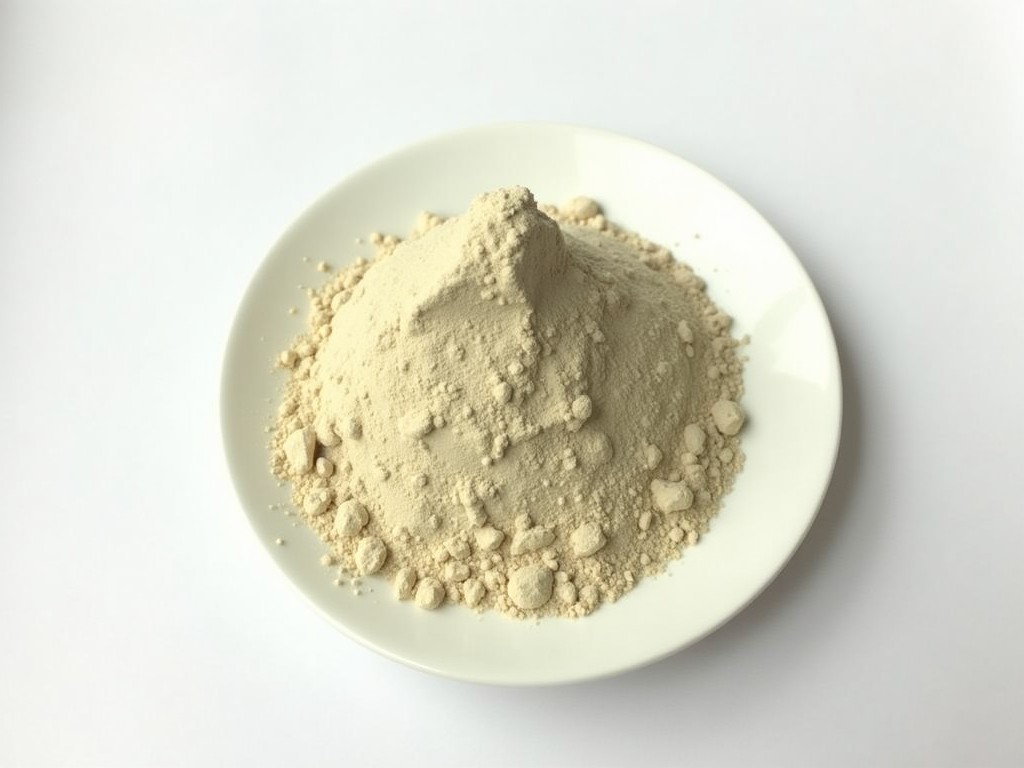
Sepiolite is a naturally occurring magnesium silicate mineral characterized by a fibrous crystal habit. When milled to a fine powder, the retained fibrous morphology provides a high aspect ratio that influences rheological, adsorptive, and mechanical behavior in various industrial matrices.
The chemical formula approximates Mg4Si6O15(OH)2·6H2O, with a porous tunnel structure that accommodates water and exchangeable cations. Fibers typically range from 1 to 10 µm in length and 0.1 to 0.5 µm in diameter, yielding a specific surface area between 150 and 300 m²/g depending on the source and processing conditions.
Key technical properties that guide selection for specific applications include bulk density, porosity, cation exchange capacity (CEC), thermal stability, and chemical resistance. The following table summarizes typical ranges observed for commercial sepiolite clay fiber powders; actual values can be tailored to project requirements through controlled milling and surface treatment.
| Property | Typical Range | Test Method |
|---|---|---|
| Bulk Density (g/cm³) | 0.3 – 0.5 | ASTM D1895 |
| Porosity (%) | 60 – 75 | Mercury Intrusion |
| Cation Exchange Capacity (meq/100 g) | 15 – 30 | Ammonium Acetate Method |
| Loss on Ignition (%, 900 °C) | 8 – 12 | Thermogravimetric Analysis |
| pH (10 % slurry) | 8.5 – 9.5 | ISO 787-9 |
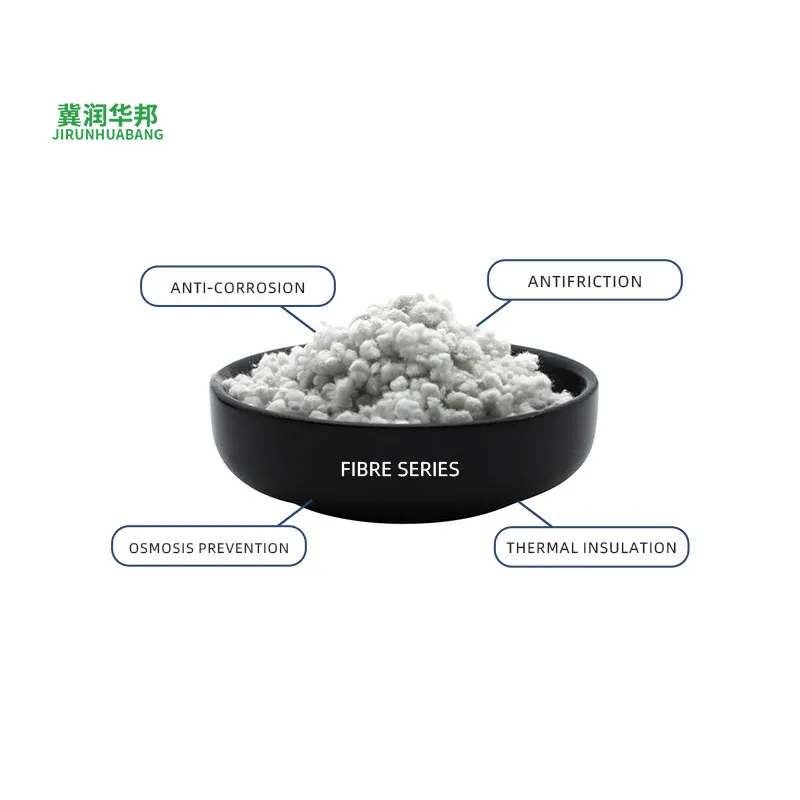
The fibrous structure and high surface area make sepiolite clay fiber powder effective as a thickening agent in oil‑based drilling fluids, where it contributes to suspension stability without significantly increasing viscosity. Its porous channels enable selective adsorption of polar contaminants, supporting use in wastewater treatment and gas purification. In polymer composites, the fibers act as reinforcing fillers, improving tensile strength and dimensional stability while maintaining low weight. Additionally, the mineral’s mild alkalinity and CEC allow it to function as a carrier for agrochemicals and as a feed additive that can bind mycotoxins.
- Drilling fluid rheology control
- Adsorbent for heavy metals and organic pollutants
- Reinforcement in thermoplastic and thermoset matrices
- Carrier for pesticides, fertilizers, and feed additives
Quality assurance relies on standardized testing to verify that each batch meets the agreed specifications. Particle size distribution is measured via laser diffraction to confirm the target D50 and D90 values. X‑ray diffraction (XRD) confirms phase purity, while BET analysis quantifies surface area. Moisture content and loss on ignition are assessed gravimetrically, and chemical composition is validated by ICP‑OES for major oxides. These tests are performed at defined intervals during production and before shipment.
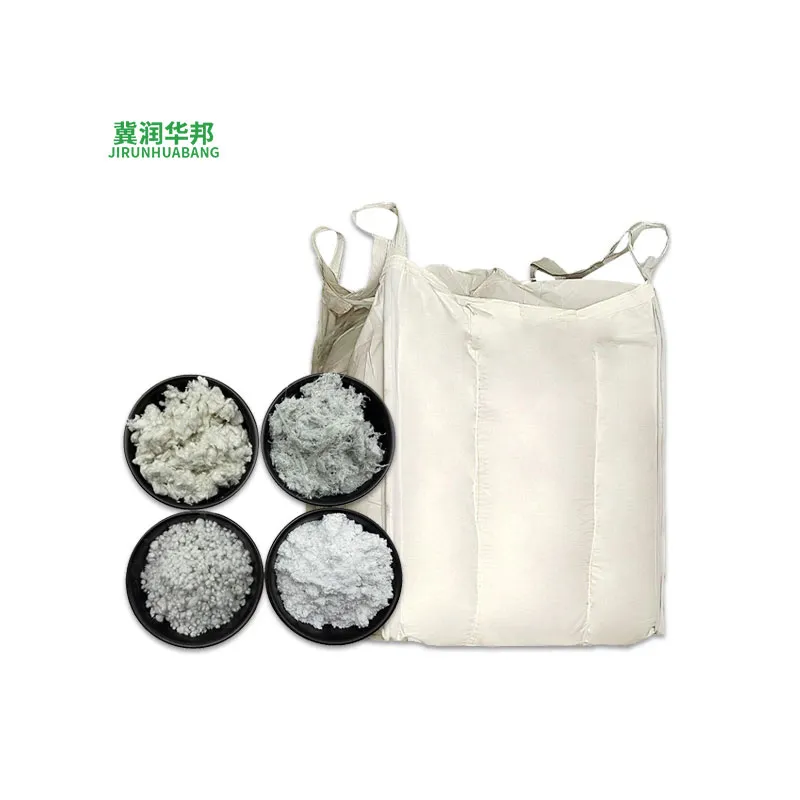
Packaging is designed to protect the powder from moisture uptake and contamination. Standard options include 25 kg multi‑wall paper bags with an inner polyethylene liner, 500 kg bulk bags with UV‑stabilized fabric, and 1‑tonne super‑sacks equipped with discharge spouts. For hygroscopic applications, desiccant packs can be added, and pallets are stretch‑wrapped for stability. Handling recommendations advise using dust‑control equipment and avoiding prolonged exposure to humid environments to preserve flow characteristics.
Order quantities are flexible, with trial lots as low as 500 kg available for evaluation. Lead times typically range from 2 to 4 weeks depending on order size and any requested customization such as specific particle size cuts, surface silanization, or moisture‑reduced grades. Quotations are prepared after reviewing the technical requirements, desired packaging, and delivery destination. For further details or to submit a specification sheet, please use the link below.
Frequently Asked Questions
Can the particle size distribution be customized?
Yes, milling parameters can be adjusted to achieve target D50 values ranging from 5 µm to 45 µm, with narrow distributions available upon request.
What information is required before a quotation is issued?
We need the intended application, required quantity, preferred packaging, any specific property thresholds (e.g., CEC, moisture content), and delivery location.
Are surface treatments offered?
Silane or polymer coatings can be applied to improve compatibility with hydrophobic matrices or to reduce dust generation.
How is product consistency verified between batches?
Each lot undergoes a full suite of QC tests, and a certificate of analysis is provided showing results for all agreed parameters.