


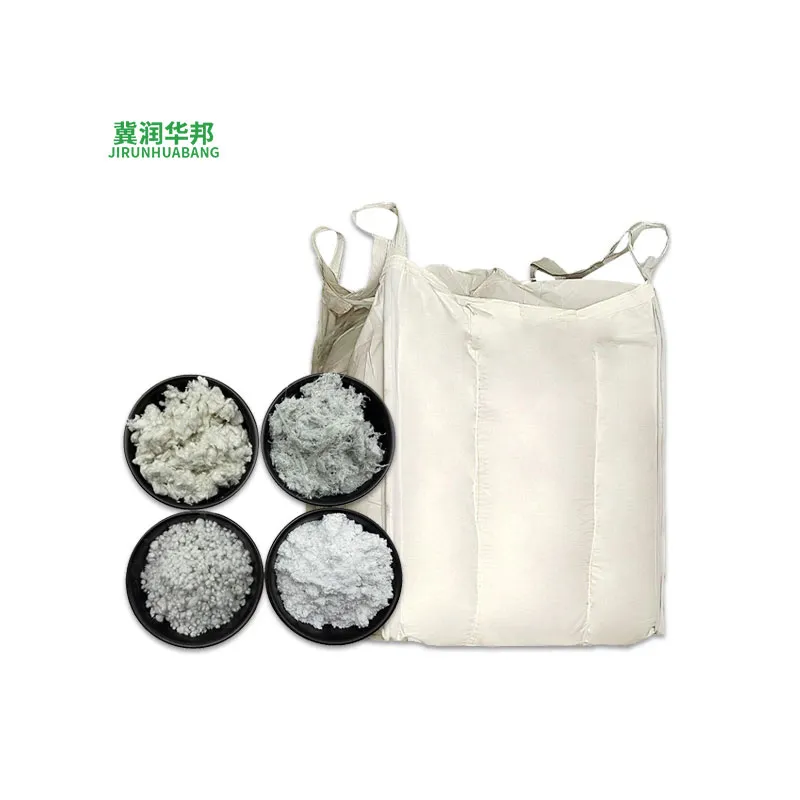
Diatomaceous Earth Bulk Suppliers Technical Performance Analysis
Procuring high-purity mineral fillers at scale requires more than just a price quote; it demands a rigorous evaluation of material consistency and supply chain reliability. For industries relying on high-absorbency silica, finding dependable diatomaceous earth bulk suppliers is critical to maintaining the chemical stability of end products.
The shift toward sustainable filtration and advanced building materials has placed renewed pressure on the non-metallic mineral sector to provide industrial-grade materials that meet strict purity thresholds. Whether used as a catalyst support or a functional additive, the variance in porosity and surface area can significantly alter the performance of the final formulation.
This analysis examines the technical benchmarks for sourcing bulk diatomite and explores how integrated mineral providers manage the balance between large-scale output and precision quality control.
Mineral Fundamentals of Diatomite
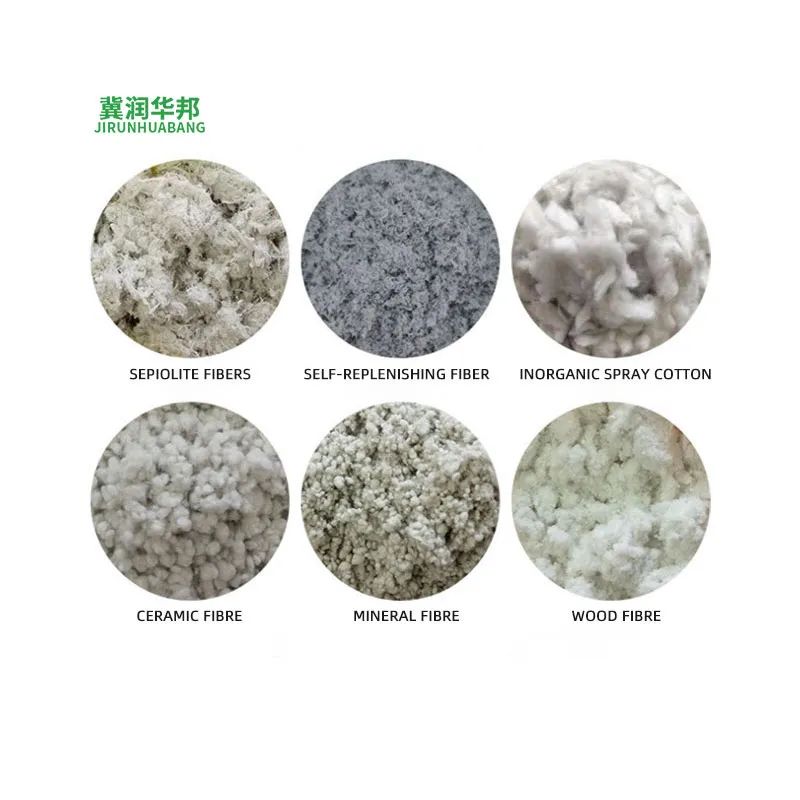
Diatomaceous earth is a naturally occurring, soft, siliceous sedimentary rock that is composed of the fossilized remains of diatoms, a type of hard-shelled protist. Its value in the industrial market is derived from its high silica content and unique microscopic structure, which allows for exceptional adsorption and filtration capabilities.
Unlike common sands or clays, the skeletal structure of diatoms creates a highly porous matrix. This makes it indispensable in sectors where surface area is the primary driver of performance, such as in the production of specialty cements or as a functional filler in high-performance coatings.
Technical Benchmarks for Bulk Sourcing
When engaging with diatomaceous earth bulk suppliers, procurement officers must prioritize chemical purity and particle size distribution. Industrial-grade diatomite typically requires a silica (SiO2) purity range that ensures predictable reactivity and physical stability during processing. Variations in purity can lead to inconsistencies in the viscosity of paints or the structural integrity of refractory bricks.
Beyond chemistry, the "calcination" state—whether the material is raw or heat-treated—determines its application. Calcined diatomaceous earth is often preferred for high-temperature applications and specific filtration needs due to its altered surface chemistry, whereas raw diatomite is utilized where natural adsorption is required.
Consistency across batches is the most significant challenge in bulk mineral supply. Advanced producers utilize standardized testing protocols to ensure that every shipment maintains the same bulk density and moisture content, preventing costly adjustments in the client's production line.
The Role of Porosity in Industrial Efficacy
The operational value of diatomite is almost entirely dependent on its void space. In the context of filtration, these microscopic pores act as a physical sieve, trapping contaminants while allowing liquids to pass through with minimal pressure drop.
The effectiveness of a mineral filler is not measured by its volume, but by the ratio of its active surface area to its total mass, which directly dictates the adsorption capacity in chemical processes.
In building materials, this porosity serves a different purpose. It allows for better moisture control and breathability in mortars and concrete, reducing the risk of internal pressure buildup and subsequent cracking in humid environments.
Comparative Performance Indices
Comparing different mineral fillers requires a qualitative assessment of their functional strengths. While diatomite excels in filtration and adsorption, other minerals like bentonite or kaolin clay are better suited for binding or plasticity.
To visualize the relative utility of these materials, we can look at a performance index based on typical industrial requirements such as adsorption rate, thermal resistance, and chemical purity.
Figure 2. Relative Functional Index of Non-Metallic Minerals
Cross-Industry Application Dynamics
The versatility of these minerals is evident in their varied industrial roles. In the paint industry, for instance, minerals like sepiolite act as decolorizing agents to remove organic impurities, ensuring color consistency. Similarly, in refractory materials, the low thermal conductivity of fiber-like mineral structures provides the necessary insulation for high-temperature furnace linings.
For manufacturers, the challenge lies in matching the mineral's physical properties to the application's stress factors. A material that works as a moisture controller in concrete may be entirely unsuitable for a high-precision chemical filter due to differences in pore size distribution.
Evolution of Mineral Processing Standards
Modern mineral processing has shifted from simple crushing and screening to precision chemical engineering. Hebei Runhuabang New Material Technology Co., Ltd. exemplifies this transition by integrating ISO9001 quality management systems to ensure that high-volume output does not compromise the stability of the material.
The integration of advanced analytical instruments allows for real-time monitoring of purity levels, typically ranging from 80% to 95% for industrial grades. This level of control is essential for global exports to markets in Europe and the United States, where regulatory compliance regarding heavy metal content is stringent.
As the industry moves toward "green" chemistry, the demand for naturally occurring minerals that replace synthetic polymers is increasing. This trend is driving suppliers to refine their extraction processes to minimize environmental impact while maximizing the purity of the extracted silica.
Supplier Evaluation Framework
Selecting the right partner among various diatomaceous earth bulk suppliers involves a trade-off analysis between cost, purity, and logistics. A low per-ton price can be offset by high moisture content or inconsistent particle sizes, which increase the effective cost of production.
Reliable suppliers should be evaluated on their annual production capacity and their ability to provide customized packaging, as the handling of fine powders requires specific moisture-barrier solutions to prevent clumping during transit.
The following framework provides a basis for comparing different mineral grade options based on typical industrial requirements.
| Requirement | High-Purity Grade | Standard Industrial | Economy Grade |
|---|---|---|---|
| Primary Application | Precision Filtration | Construction/Paint | General Fillers |
| Purity Threshold | >95% SiO2 | 80-90% SiO2 | <80% SiO2 |
| Adsorption Rate | Very High | Moderate | Low |
| Consistency | Strictly Controlled | Standardized | Variable |
| Cost Impact | Premium | Balanced | Budget-Friendly |
| Typical Lead Time | Moderate | Fast | Immediate |
Questions & Answers
Quality is primarily defined by the percentage of amorphous silica, the specific surface area, and the particle size distribution. For bulk industrial applications, purity levels between 80% and 95% are standard. High-quality material must also exhibit consistent bulk density and low moisture content to ensure stable mixing in manufacturing processes, particularly in the paint and building material sectors.
Due to its high porosity and adsorptive capacity, diatomite acts as an internal moisture controller in concrete and mortars. This helps in regulating the drying process, which reduces the likelihood of shrinkage cracks and improves the overall structural stability and durability of the construction material over time.
Buyers should evaluate the supplier's annual output capacity to ensure long-term availability, their adherence to quality systems like ISO9001, and their ability to provide consistent chemical analysis reports for each batch. Logistics capabilities, including customized packaging to prevent powder contamination, are also vital for maintaining material integrity during international shipping.
Yes, specifically when processed as calcined diatomite. Its inherent silica structure provides excellent thermal insulation and resistance to high temperatures, making it an ideal component for fire-resistant coatings, refractory linings, and other thermal barriers in industrial furnaces.
While both are absorbent, diatomite is based on a rigid silica skeleton with permanent micropores, making it superior for filtration and thermal insulation. Bentonite is a swelling clay that absorbs water into its molecular structure, making it better for sealing, binding, and waterproofing applications.
For industrial grades, standard packaging typically ranges from 5kg to 25kg bags, though customized bulk packaging is often available for large-scale manufacturers. Minimum order quantities (MOQ) can vary widely, with some professional suppliers allowing samples as low as 1kg to facilitate technical validation before moving to multi-ton shipments.
Final Thoughts
The selection of diatomaceous earth bulk suppliers is a strategic decision that impacts the efficiency of filtration systems and the longevity of building materials. By focusing on technical parameters—specifically purity, porosity, and batch consistency—manufacturers can optimize their formulations and reduce waste.
As the non-metallic mineral industry evolves, the integration of rigorous quality management and sustainable extraction will define the next generation of industrial fillers. Partnering with suppliers who prioritize analytical precision ensures that the raw materials of today meet the performance demands of tomorrow.