




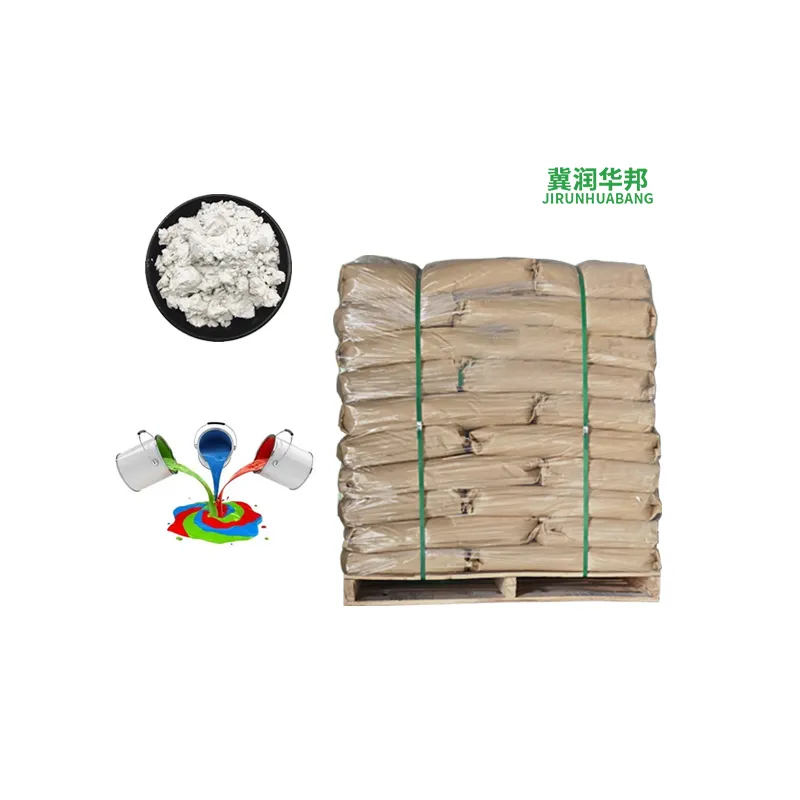
Diatomaceous Earth Technical Performance Analysis
Industrial efficiency often depends on the precision of a single raw material. In the realm of non-metallic minerals, few substances offer the combined porosity and chemical stability of diatomaceous earth, a mineral derived from fossilized diatoms that serves as a critical component in filtration and adsorption.
As global industries shift toward more sustainable and high-precision processing, the demand for consistent, high-purity mineral powders has increased. The challenge for procurement managers is no longer just finding a supplier, but identifying a material that maintains stability across thousands of production cycles without compromising product clarity or structural integrity.
Understanding the technical nuances of diatomaceous earth allows manufacturers to optimize their filtration rates and enhance the quality of their end products, from clarified beverages to high-performance industrial coatings.
Structural Fundamentals of Diatomite
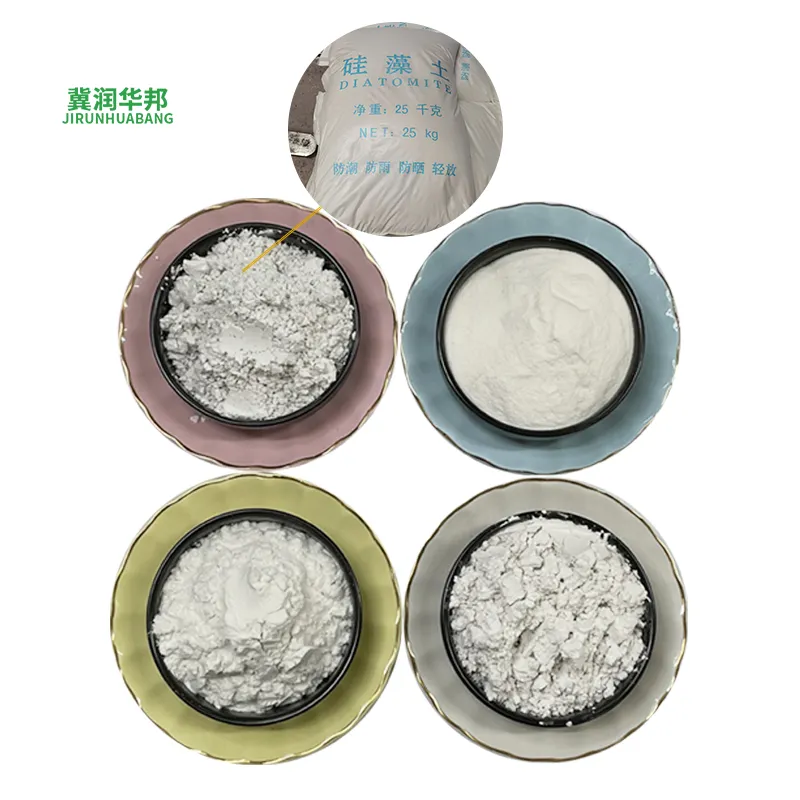
At its core, diatomaceous earth is a sedimentary rock composed of the silica-rich skeletal remains of diatoms, a type of single-celled algae. This biological origin results in a highly porous, amorphous silica structure that is chemically inert and physically abrasive.
Because of this unique morphology, the powder possesses an immense surface area relative to its volume. This makes it an ideal candidate for processes requiring the trapping of micro-particles or the absorption of oils, which is why it remains a staple in the non-metal mineral industry.
Key Performance Metrics for Industrial Grades
When evaluating the quality of diatomaceous earth, purity is the primary metric. Industrial grades typically range from 80% to 95% purity, depending on the intended application. Lower purity materials may be sufficient for agricultural pest control, while food-grade and pharmaceutical-grade materials require strict adherence to purity standards to avoid contaminating the final product.
Beyond purity, the particle size distribution and moisture content are critical. A uniform particle size ensures a consistent pressure drop across filtration beds, preventing "channeling" where liquids bypass the filter medium. Hebei Runhuabang New Material Technology Co., Ltd. implements ISO9001 quality management to ensure that these physical parameters remain stable across bulk shipments.
Finally, the chemical inertness of the mineral is a decisive factor. Because it does not react with most acids or bases, it can be used as a filler in rubber and plastics or as a clarifying agent in volatile chemical processes without altering the chemistry of the surrounding medium.
The Role of Porosity in Liquid Clarification
Liquid clarification relies on the ability of a medium to trap suspended solids while allowing the liquid to pass through. In beverages and oils, diatomaceous earth creates a complex, tortuous path for the fluid, ensuring that impurities are captured within the pore network.
The effectiveness of a filtration medium is not determined by the size of the holes alone, but by the high surface area and porosity that maximize the probability of particle capture through mechanical straining and adsorption.
This mechanical action is particularly effective in the food industry, where it is used to remove yeast and proteins from beer or impurities from edible oils. By optimizing the particle morphology, manufacturers can achieve higher clarity with less material waste.
Adsorption Efficiency Analysis
Adsorption differs from filtration in that it involves the adherence of molecules to the surface of the mineral. In wastewater treatment, diatomite is utilized to remove grease and oil from industrial effluent. Its high porosity allows it to act as a sponge, sequestering hydrocarbons within its structure.
To quantify the relative effectiveness of different mineral grades, we can look at a qualitative suitability index across common industrial tasks. The higher the index, the more effective the material is for that specific function based on typical surface area and porosity requirements.
Figure 2. Relative Suitability Index by Application
Cross-Industry Application Scenarios
In agricultural settings, natural diatomaceous earth is used as an eco-friendly insecticide. Rather than using chemical toxins, it works mechanically; the abrasive silica particles damage the exoskeletons of insects, causing them to dehydrate. This makes it a preferred choice for organic farming and sustainable pest management.
In the manufacturing of paints and plastics, it serves as a functional filler. By replacing a portion of the primary resin with diatomite, companies can reduce material costs while enhancing the mechanical properties and flowability of the final product, provided the powder has a uniform texture and high purity.
Future Directions in Sustainable Mineral Use
The industry is currently moving toward more specialized "tailored" grades of minerals. Rather than using a generic industrial powder, companies are seeking materials with optimized particle morphology to meet the specific needs of high-precision filtration and green chemistry.
Environmental regulations are also pushing manufacturers toward adsorbent materials that can be easily recovered and recycled. The focus is shifting toward how diatomaceous earth can be integrated into circular economy models, such as using spent filter cakes as soil conditioners in agriculture.
Technological innovation in testing and analysis is allowing for better reproducibility. With advanced instruments, suppliers like Hebei Runhuabang can now monitor moisture and purity at a granular level, reducing the risk of batch-to-batch variance in global exports.
Procurement and Selection Framework
Selecting the right grade of diatomaceous earth requires a balance between cost, purity, and physical performance. A common mistake in procurement is selecting a grade based solely on purity without considering the particle size distribution, which can lead to inefficient filtration and increased downtime.
Buyers should evaluate suppliers based on their production capacity and quality certifications. A supplier with an annual output of over 200,000 tons and ISO9001 certification typically offers better stability for large-scale industrial users who cannot afford inconsistencies in their raw material stream.
The following framework provides a relative comparison of different grades based on typical industrial requirements and their suitability for specific scenarios.
| Grade Type | Primary Requirement | Typical Suitability | Key Limitation |
|---|---|---|---|
| Industrial Grade | Cost-Efficiency | Paints, Rubber, Waste | Lower Purity |
| Food Grade | High Purity | Beverage Clarification | Higher Cost |
| Feed Grade | Mineral Content | Animal Nutrition | Varying Texture |
| Natural Grade | Eco-Certification | Organic Farming | Less Processed |
| Calcined Grade | Low Moisture | Chemical Catalysis | Energy Intensive |
| Specialized Grade | Exact Morphology | High-Precision Filters | Limited Availability |
Questions & Answers
The primary difference lies in the purity level and the processing standards. Food-grade diatomaceous earth undergoes more rigorous refining and testing to ensure it is free from contaminants and safe for human consumption or contact with food products. Industrial grades focus more on functional properties like adsorption and bulk filling, where absolute purity is less critical than cost-effectiveness and specific physical characteristics.
Unlike chemical pesticides, it works mechanically. The microscopic, sharp edges of the silica particles scratch and puncture the waxy exoskeleton of insects. This leads to rapid dehydration and death. Because it is a physical action rather than a chemical one, insects cannot develop a biological resistance to it, making it a highly sustainable long-term solution for pest control.
When procuring in bulk, prioritize three factors: purity percentage (typically 80-95%), particle size distribution (for filtration consistency), and moisture content. Additionally, verify the supplier's quality management system, such as ISO9001, to ensure that the product parameters remain consistent across different batches, which is essential for maintaining production stability in industrial settings.
Yes, it can serve as an effective filler and extender. Due to its chemical inertness and high porosity, it can improve the mechanical properties and flowability of plastics and rubber without reacting with the polymer matrix. However, the specific grade and particle size must be matched to the viscosity of the plastic to avoid agglomeration and ensure a uniform finish.
Yes, it is widely regarded as safe and effective for environmental applications. Its ability to adsorb oil and grease from industrial wastewater makes it an indispensable tool for treating effluent. Because it is a naturally occurring mineral, it does not introduce harmful synthetic chemicals into the water system, though the spent material must be managed according to local waste regulations.
Simple filtration size only catches particles larger than the hole. Porosity refers to the internal void space and the total surface area. High porosity allows for "depth filtration," where particles are trapped throughout the volume of the filter cake, not just on the surface. This increases the filter's capacity and extends the time between cleaning cycles, significantly improving operational efficiency.
Final Thoughts
The versatility of diatomaceous earth makes it a cornerstone of modern industrial processing, bridging the gap between raw mineral extraction and high-precision application. From ensuring the clarity of consumer beverages to providing a chemical-free alternative for pest control, its unique physical structure offers value that synthetic alternatives struggle to replicate.
For businesses seeking to optimize their production, the focus should remain on the synergy between material purity and structural consistency. By partnering with scalable, quality-certified suppliers, industries can ensure that their processes remain efficient, sustainable, and capable of meeting the increasingly strict global standards for product quality.