


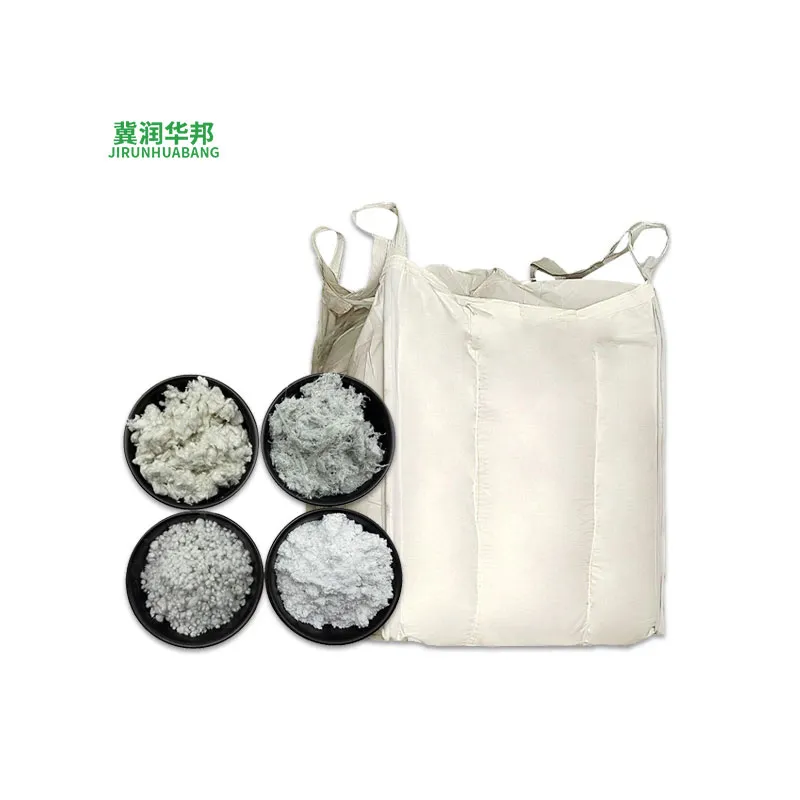


kaolin clay technical processing and performance analysis
Industrial mineral selection often hinges on the delicate balance between purity and functional reactivity. In the specialized sector of non-metallic mineral products, few materials offer the versatility of kaolin, a hydrous aluminum silicate that serves as a critical additive across divergent manufacturing pipelines.
The shift toward high-performance materials in construction and ceramics has moved the focus from basic fillers to engineered minerals. Today, the value of these materials is determined not just by their chemical composition, but by their particle size distribution and thermal stability, which directly influence the end-product's structural integrity.
Understanding the nuances between washed, calcined, and metakaolin variants is essential for optimizing production efficiency. This guide examines the technical application of kaolin clay and how specific processing methods align with industrial requirements.
Mineral Fundamentals of Kaolinite
At its core, the utility of this mineral stems from its layered crystal structure. The purity levels, typically ranging from 90% to 97%, determine the material's suitability for sensitive applications like cosmetics or heavy industrial use.
The physical form—generally a fine white or yellow powder—allows for seamless integration into liquid suspensions or dry mixes, ensuring a homogeneous distribution of properties across the final substrate.
Technical Processing and Refinement Logic
Refinement is not a one-size-fits-all process; it is tailored to the end-use. For the paper industry, washed kaolin is the primary requirement. The washing process focuses on the removal of soluble salts and organic impurities, which is critical for achieving the opacity and brightness necessary for high-quality printability.
In contrast, the requirements for industrial-grade minerals often prioritize chemical stability over aesthetic brightness. The removal of impurities in these cases is aimed at preventing unwanted reactions during high-temperature firing or chemical curing processes.
The integration of precise analytical instruments, as utilized by Hebei Runhuabang New Material Technology Co., Ltd., ensures that purity and particle size remain consistent across large-scale production runs, mitigating the risk of batch-to-batch variability.
The Role of Thermal Transformation
Thermal treatment fundamentally alters the mineral's chemistry. Calcination involves heating the material to specific temperatures, which triggers a structural change that enhances thermal stability and whiteness, making it an essential component for the ceramics industry.
Calcination transforms the clay's structure to regulate the shrinkage rate and firing temperature of ceramic bodies, ensuring dimensional stability in the final product.
This transformation allows manufacturers to fine-tune the texture and finish of ceramic products. By adjusting the ratio of calcined to raw materials, producers can prevent warping and cracking during the cooling phase.
Comparative Performance Indices
Different variants of kaolin provide distinct advantages depending on the technical goals of the project. While washed variants excel in surface smoothness, active metakaolin is prioritized for its pozzolanic reactivity in cementitious environments.
The following index illustrates the relative strengths of different mineral forms across five key industrial performance metrics.
Figure 2. Relative Performance Index by Mineral Variant
Application Scenarios and Material Constraints
In the realm of concrete technology, super-fine active metakaolin acts as a high-performance supplementary cementitious material. It reacts with calcium hydroxide released during cement hydration to form additional calcium silicate hydrate (C-S-H) gels. This chemical process significantly enhances the density and durability of high-strength construction projects, reducing permeability and increasing resistance to chemical attack.
However, the use of these minerals requires careful dosing. Over-saturation in ceramic bodies can lead to excessive shrinkage, while insufficient purity in cosmetic grades can cause skin irritation. Therefore, maintaining a purity range of 90-97% is critical for ensuring both safety and performance.
Evolution of Supplementary Cementitious Materials
The industry is moving toward "active" minerals that do more than occupy space. The evolution from simple fillers to pozzolanic additives marks a shift toward sustainable construction, where the goal is to increase the lifespan of infrastructure while reducing the carbon footprint of traditional cement.
Emerging trends suggest a greater reliance on customized particle size distributions. By tailoring the powder's fineness, manufacturers can optimize the packing density of concrete, leading to surfaces that are not only stronger but also more resistant to environmental degradation.
This trajectory indicates that the future of the non-metal mineral sector lies in the intersection of chemical purity and physical engineering, moving beyond bulk supply toward precision material science.
Selection Framework for Industrial Buyers
Choosing the correct grade of mineral requires an analysis of the end-product's environmental exposure and structural requirements. A buyer focusing on paper coatings will prioritize opacity and whiteness, whereas a construction engineer will focus on pozzolanic reactivity and the resulting C-S-H gel formation.
Trade-offs are inevitable; for instance, increasing the calcination temperature improves thermal stability but may alter the reactivity of the material in chemical applications. Understanding these correlations is the only way to avoid costly production errors.
The following table provides a decision-making framework for selecting the appropriate variant based on common industrial requirements.
| Requirement | Recommended Variant | Key Technical Factor | Primary Application |
|---|---|---|---|
| High Opacity | Washed Kaolin | Impurity Removal | Paper Coating |
| Chemical Reactivity | Metakaolin | Pozzolanic Activity | High-Strength Concrete |
| Thermal Stability | Calcined Kaolin | Structural Change | Fine Ceramics |
| High Purity | Cosmetic Grade | Purity (90-97%) | Personal Care |
| Low Permeability | Super-fine Active | Particle Size | Marine Structures |
| Shrinkage Control | Calcined Blend | Firing Temp Adjustment | Industrial Pottery |
Questions & Answers
Washed kaolin is treated primarily to remove impurities, focusing on purity and brightness for applications like paper filling. Calcined kaolin undergoes a thermal process that alters its chemical structure, increasing whiteness and thermal stability, which is essential for preventing shrinkage in ceramics.
Metakaolin is a pozzolanic material that reacts with the calcium hydroxide byproduct of cement hydration. This reaction creates additional calcium silicate hydrate (C-S-H) gels, which fill the pores in the concrete matrix, thereby increasing density, strength, and resistance to chemical ingress.
Most industrial-grade kaolin products maintain a purity range between 90% and 97%. The specific requirement depends on the grade; cosmetic grades require higher purity to ensure safety, while industrial grades focus on the removal of specific interfering minerals.
While possible, it is uncommon. The paper industry prefers washed kaolin for its specific opacity and printability. Calcined kaolin is generally too stable and structurally different to provide the same surface smoothness and ink absorption characteristics required for high-quality printing.
Smaller particle sizes increase the surface area available for chemical reactions. In cement, super-fine particles accelerate the pozzolanic reaction. In ceramics, consistent particle size prevents localized stress points, reducing the likelihood of cracking during the firing process.
Standard industrial packaging typically ranges from 5kg to 25kg bags. However, for large-scale manufacturing, customized bulk packaging is often used to facilitate automated feeding systems and reduce material waste during handling.
Final Thoughts
The strategic selection of mineral additives is no longer just a procurement task but a critical engineering decision. Whether optimizing the brightness of high-end paper or the permeability of a marine concrete structure, the specific processing—washing, calcining, or activating—defines the material's ultimate value.
As the industry trends toward higher precision and lower environmental impact, the reliance on consistent, high-purity minerals becomes paramount. Integrating these materials through a rigorous technical framework ensures that the resulting products meet the stringent demands of modern industrial standards.