
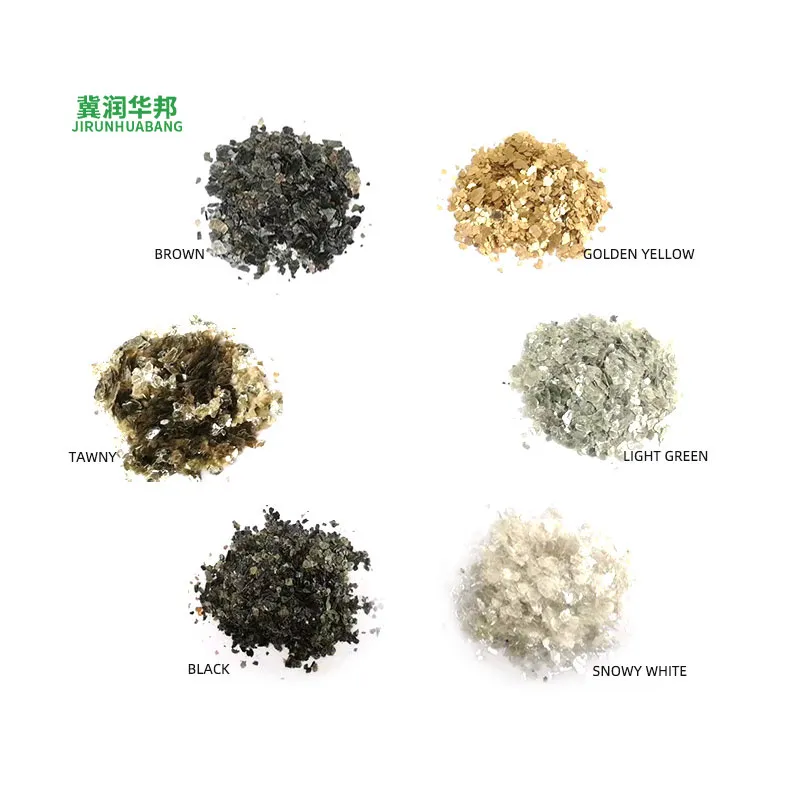
mica sheet performance analysis
Selecting the right thermal insulation and electrical barrier materials often comes down to a critical balance between temperature stability and structural durability. In high-stress industrial environments, traditional materials frequently fail under extreme thermal cycling or chemical exposure, leading to costly downtime and safety risks.
The demand for specialized mineral-based solutions has shifted toward composite structures that can maintain integrity without compromising aesthetic or functional requirements. This is where the integration of phlogopite-based composites and advanced protective coatings becomes a decisive factor for engineers and procurement specialists.
By analyzing the synthesis of high-performance mica sheet technology, we can better understand how these materials solve complex insulation challenges while adapting to modern architectural and industrial design needs.
Material Composition and Phlogopite Synergy
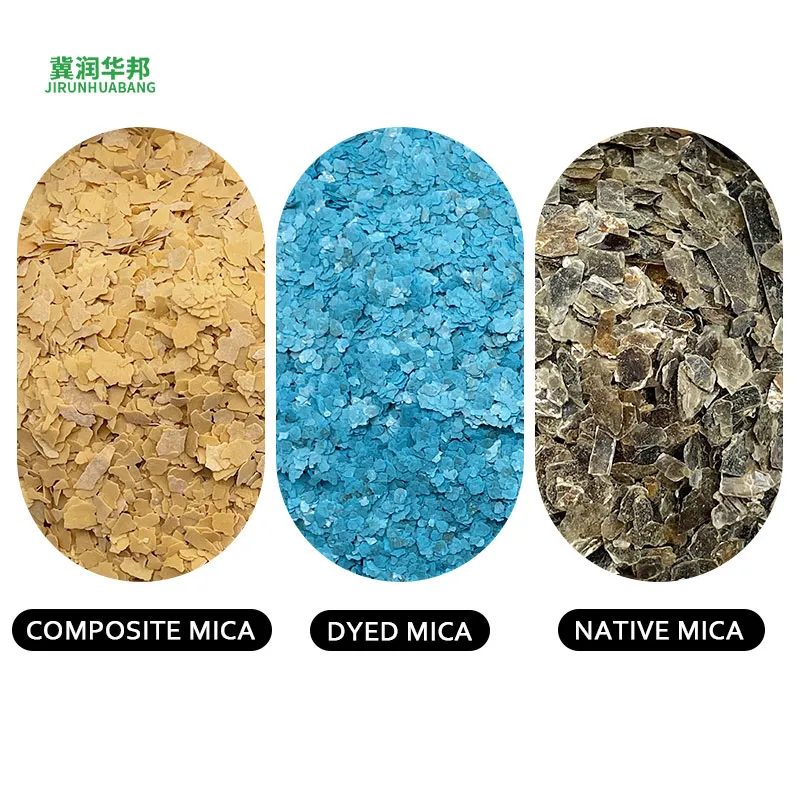
The synthesis of a high-performance mica sheet relies on the integration of an inner and outer wall structure utilizing epoxy resin and phlogopite. Phlogopite is specifically selected for its exceptional stability at elevated temperatures compared to other mica varieties, ensuring that the material does not warp or degrade when exposed to intense heat.
This chemical bonding process creates a cohesive barrier that manages both thermal and electrical loads. The result is a material that balances the flexibility of resin with the rigid heat resistance of mineral crystals, providing a reliable foundation for industrial components.
Structural Integrity in Harsh Environments
Maintaining structural integrity is the primary challenge in commercial and industrial settings where equipment is subject to rapid temperature fluctuations. A well-engineered mica sheet must resist delamination and cracking, as any structural breach can lead to electrical leakage or thermal failure.
The synergy between the epoxy resin and the phlogopite mineral creates a dense matrix. This matrix is designed to withstand not only heat but also mechanical stress, ensuring that the sheet remains a consistent barrier regardless of the external pressure or vibration common in heavy machinery.
For companies operating in the non-metal mineral products sector, such as Hebei Runhuabang New Material Technology Co., Ltd., the focus is on achieving a high purity level (typically 95-99%) to minimize contaminants that could act as failure points under high-voltage or high-temperature conditions.
The Role of High-Temperature Real Stone Coating
Functionality often comes at the cost of aesthetics, but modern mineral composites now integrate decorative elements without sacrificing performance. The application of a real stone paint coating allows the mica sheet to mimic the textures and colors of natural stone, blending into architectural environments.
The critical innovation lies in the coating's formulation; it is specifically designed to be high-temperature resistant, ensuring the finish does not peel or discolor at the same thermal limits that the underlying mica sheet can endure.
This combination creates a versatile solution where the product serves as both a functional insulator and a decorative surface. This is particularly valuable in commercial installations where high-heat equipment must be integrated into high-end interior designs without compromising safety standards.
Performance Index Across Industrial Grades
When evaluating mineral-based insulators, performance is measured across various grades, including industrial, cosmetics, and food grades. While the core chemistry remains phlogopite-based, the purity levels and additive requirements vary to meet specific safety and functional standards.
The following relative index illustrates the suitability of different material attributes (Purity, Thermal Stability, Mechanical Strength, Dielectric Constant, and Chemical Resistance) based on typical industry requirements for high-grade mica composites.
Figure 2. Relative Performance Index of High-Purity Mica Composites
Practical Application Scenarios
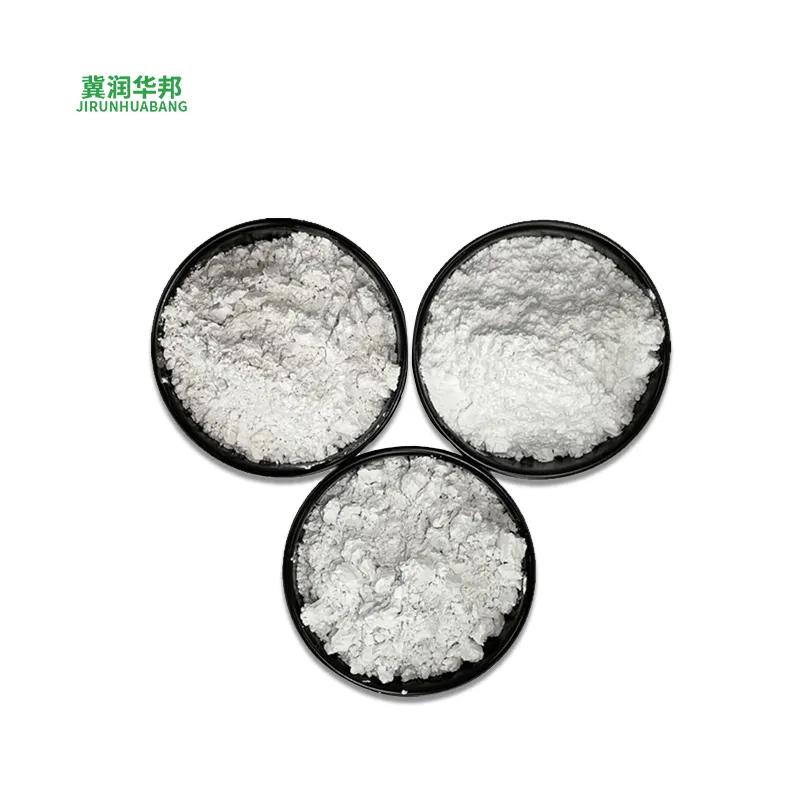
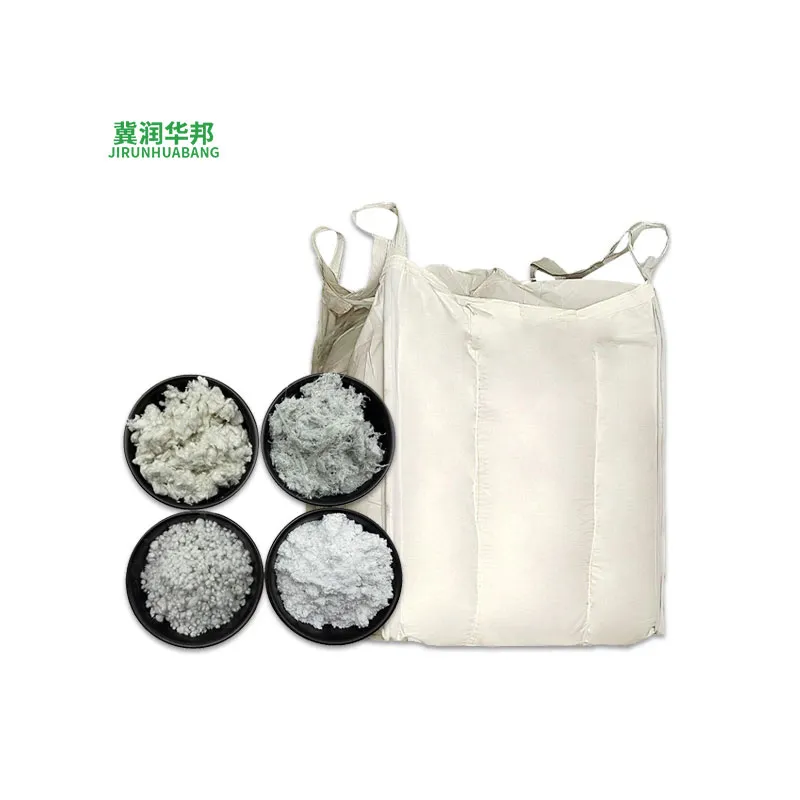
In a typical industrial setting, these sheets are utilized as heat shields in furnaces, electrical insulation in high-voltage capacitors, and protective barriers in commercial heating systems. The ability to maintain a shape—whether in powder form for casting or as a rigid sheet—allows for high flexibility in installation.
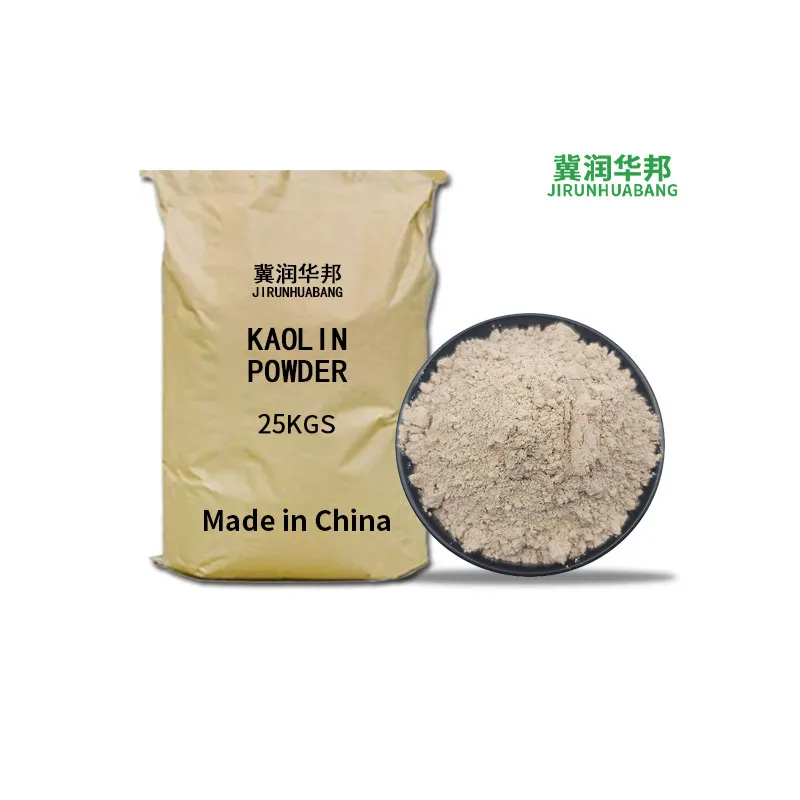
For manufacturers evaluating materials, the decision often hinges on the MOQ and packaging flexibility. With options ranging from 1kg for prototyping to 25kg bags for mass production, the supply chain can adapt to both small-scale specialized projects and large-scale industrial infrastructure.
Evolution of Non-Metallic Mineral Processing
The non-metallic mineral industry has transitioned from basic extraction to high-tech chemical synthesis. The processing of materials like talc powder, bentonite, and mica now involves precise purity controls and additive integration to meet international ISO9001 quality management standards.
Modern enterprises are moving toward an integrated production model where research and development (R&D) are coupled with large-scale output. This allows for the creation of specialized products—such as the combination of phlogopite and epoxy resin—that provide targeted solutions for heat and electricity management.
As global markets in Europe, the United States, and Southeast Asia demand higher consistency, the focus has shifted to stable, high-purity outputs that can be exported without variance in performance across different climatic zones.
Selection Framework for Mineral Insulators
Choosing the correct mineral insulator requires a systematic evaluation of the operational environment. One must consider whether the primary threat is thermal degradation, chemical erosion, or electrical conductivity.
Trade-offs are common; for instance, increasing the resin content might improve mechanical flexibility but could potentially lower the maximum temperature threshold. A balanced approach ensures the material meets the minimum safety requirements while maximizing the lifespan of the component.
The following table provides a conceptual framework for matching material properties to specific application needs, helping buyers avoid common selection errors.
| Application Condition | Critical Factor | Recommended Property | Suitability Index |
|---|---|---|---|
| High-Voltage Systems | Dielectric Strength | High Purity (99%) | Critical |
| Furnace Lining | Thermal Stability | Phlogopite Core | High |
| Architectural Heat Walls | Aesthetic/Thermal | Stone-Coated Mica | Moderate |
| Chemical Processing | Corrosion Resistance | Epoxy-Bonded | High |
| Food Grade Equipment | Toxicity/Purity | Certified Food Grade | Critical |
| Vibration-Heavy Machinery | Mechanical Toughness | Composite Matrix | Moderate |
Questions & Answers
Phlogopite is specifically prized for its superior thermal stability. Unlike some other mica varieties that may decompose or lose structural integrity at lower temperatures, phlogopite remains stable under extreme heat, making it the ideal choice for high-temperature industrial insulation and electrical barriers.
The real stone paint coating is formulated as a surface treatment and does not interfere with the core insulating properties of the mica sheet. Because it is specifically designed to be high-temperature resistant, it maintains the sheet's thermal performance while providing an aesthetic finish that mimics natural stone.
For most industrial applications, a purity range of 95-99% is required. Higher purity reduces the presence of metallic impurities, which is critical for maintaining high dielectric strength and preventing electrical arcs in high-voltage environments.
Yes, typical offerings include standard packaging of 5-25kg per bag, but customized packaging is often available to meet specific logistics requirements. Furthermore, low minimum order quantities (MOQs), such as 1kg, allow for sample testing and prototyping before full-scale procurement.
The powder form is preferred when the material needs to be integrated into a custom mold, mixed into other composites, or applied as a coating. Rigid sheets are used when a predefined structural barrier is needed for immediate installation in heating or electrical components.
ISO9001 certification ensures that the manufacturer follows a standardized quality management system. For mineral products, this means consistent purity, stable chemical composition across batches, and rigorous testing of thermal limits, which reduces the risk of material failure in the field.
Final Thoughts
The integration of phlogopite mineral stability with advanced epoxy resins and heat-resistant coatings marks a significant step forward in non-metallic mineral manufacturing. By solving the conflict between industrial performance and aesthetic requirements, these materials enable safer and more visually integrated infrastructure.
Ultimately, the success of any thermal or electrical insulation project depends on a precise match between material purity, structural composition, and the specific demands of the environment. Prioritizing a systematic selection framework ensures long-term reliability and operational safety.