


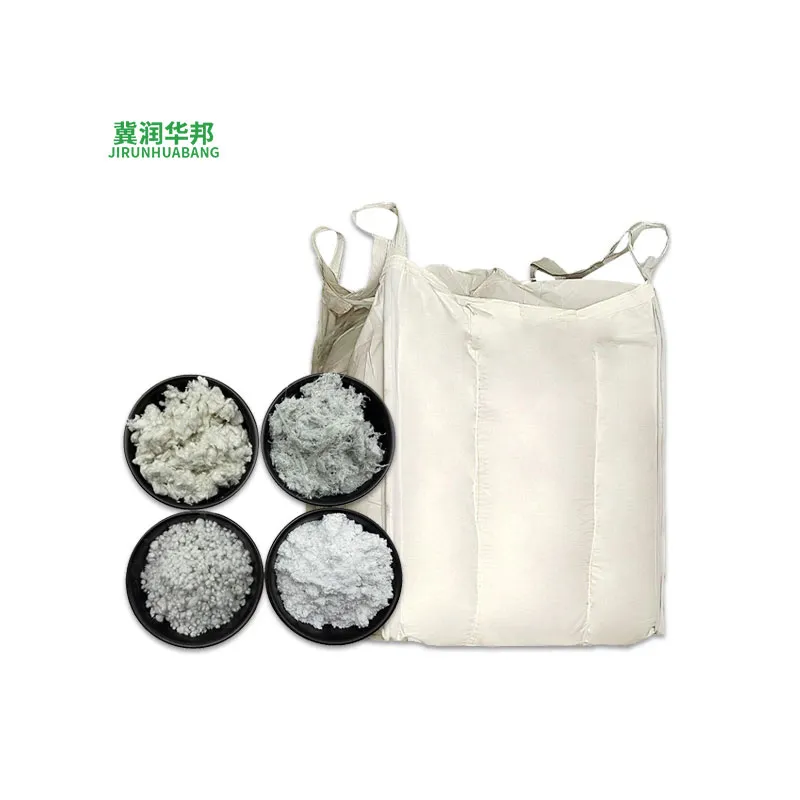


talc powder Technical Analysis and Manufacturing Specifications
Selecting the right mineral filler can be the difference between a premium cosmetic formulation and a substandard product. In the specialized world of non-metallic minerals, the precision of particle size and chemical purity determines how a raw material interacts with skin or integrates into pharmaceutical tablets.
The demand for high-specification materials has shifted the market toward ultra-fine milling and rigorous quality control systems. Manufacturers are no longer looking for just "bulk powder," but for consistent, ISO-certified materials that minimize impurities and optimize texture.
Whether applied in high-end skincare or industrial plastics, the performance of talc powder depends on a complex interplay of whiteness, mesh size, and mineral stability.
Technical Foundations of Talcum Minerals

Talc is a naturally occurring hydrous magnesium silicate. Its inherent softness and lamellar structure make it an ideal lubricant and absorbent. However, the raw mineral must undergo sophisticated processing to remove contaminants and achieve the required whiteness for commercial use.
The chemical stability of talc allows it to remain inert in most formulations, meaning it does not react with other active ingredients in cosmetics or pharmaceuticals. This makes it an indispensable filler that provides volume without altering the chemistry of the final product.
The Impact of Mesh Size on Material Performance
Particle size distribution is the primary driver of texture and efficacy. In the mineral industry, the "mesh size" indicates the fineness of the powder. While various grades exist, the 325 mesh size has become a benchmark for high-quality applications due to its ultra-fine consistency.
A 325 mesh powder offers a silky, smooth tactile experience, which is critical for skin-contact products. Coarser powders can feel gritty or uneven, leading to poor blending in foundations or irritation in medical applications. The ability to maintain a tight particle size distribution ensures that every batch of product performs identically.
Beyond texture, fineness affects the absorption rate. Smaller particles provide a higher surface area, increasing the powder's ability to absorb moisture and oil efficiently. This technical property is why ultra-fine talc is preferred in high-performance beauty products and specialized pharmaceutical glidants.
Safety Benchmarks in Cosmetic Grade Materials
Safety in mineral sourcing revolves around the removal of trace impurities. For products intended for human skin, the purity levels must exceed strict regulatory requirements to ensure the material is hypoallergenic and safe for long-term contact.
Material safety is not an inherent property of the mineral itself, but a result of the processing technology. Strict adherence to ISO9001 quality management and the use of advanced analytical instrumentation are the only ways to guarantee the absence of harmful contaminants.
Hebei Runhuabang New Material Technology Co., Ltd. implements these standards through rigorous testing protocols, producing a medical-grade purity that supports exports to over 100 countries. By controlling the mineral origin and employing precise milling, the resulting powder meets the stringent demands of the European and US markets.
Comparative Value Analysis by Application
The value of talc is not uniform; it scales based on the purity and fineness required for specific end-uses. While industrial-grade talc is used as a filler in plastics and paints, cosmetic and pharmaceutical grades command a premium due to the intensive refining process required to achieve high whiteness and 325 mesh fineness.
When evaluating bulk procurement, buyers must balance the cost against the functional requirements of their product. For example, a tablet manufacturer requires high compressibility and flow (glidant properties), whereas a skincare brand prioritizes transparency and a "silky" feel.
Figure 2. Performance Index by Application Grade
Industrial Integration and Practical Use Cases
In a typical industrial setting, talc is integrated as a functional additive. For instance, in the production of plastics, it is used to improve stiffness and heat resistance. In the pharmaceutical sector, it acts as a filler and glidant, ensuring that powder blends flow smoothly into capsule filling machines, thereby preventing production downtime and ensuring dosage accuracy.
For beauty products, the application is more sensory. A manufacturer evaluating materials for a face powder will prioritize a high whiteness index and ultra-fine 325 mesh texture to ensure the product blends effortlessly into the skin without leaving clumps or a "cakey" appearance.
Evolution of Mineral Processing Standards
The shift toward "safe" minerals is driven by advancements in analytical chemistry. Modern production facilities now use high-precision instrumentation to detect trace minerals at the parts-per-million level, ensuring that the end product is free from harmful impurities.
This evolution has moved the industry away from simple milling toward "tailored" minerals. Companies can now adjust the whiteness or absorption profiles of their talc to meet specific client requirements, moving from a commodity-based model to a solution-based model.
With an annual output of 200,000 tons, large-scale producers like Hebei Runhuabang combine this technical precision with the ability to supply global markets, ensuring that the transition to higher safety standards does not compromise supply chain stability.
Sourcing Framework for Bulk Mineral Powders
When sourcing bulk minerals, the evaluation framework must extend beyond the price per ton. The stability of the supply chain, the consistency of the particle size across different batches, and the transparency of the quality certificates are the actual determinants of long-term cost-efficiency.
A common error in procurement is selecting the lowest price without verifying the mesh distribution. A powder that claims to be 325 mesh but has high variance in particle size will lead to inconsistent product texture, resulting in higher reject rates during the final quality control of the finished goods.
The following matrix provides a decision-making framework for buyers choosing between different talc grades based on their primary application goal.
| Application Goal | Required Grade | Key Parameter | Selection Priority |
|---|---|---|---|
| Skin Care/Makeup | Cosmetic Grade | 325 Mesh / High Whiteness | Tactile Feel & Purity |
| Tablet Formulation | Pharmaceutical Grade | Consistent Particle Size | Flowability & Purity |
| Plastic Reinforcement | Industrial Grade | Mineral Stability | Mechanical Properties |
| Paint/Coatings | Industrial Grade | Particle Distribution | Opacity & Smoothness |
| Moisture Absorption | Cosmetic/Industrial | High Surface Area | Absorption Rate |
| Bulk Filler | Standard Grade | Chemical Inertness | Cost Efficiency |
Questions & Answers
The 325 mesh size indicates an ultra-fine particle diameter. In practical terms, this means the powder is smooth enough to avoid grittiness when applied to the skin and provides a high surface area for moisture absorption. This grade is the industry standard for premium cosmetics and pharmaceutical fillers where texture and consistency are paramount.
Safety is ensured through a combination of raw material selection and rigorous processing. This includes using ISO9001 quality management systems, employing advanced analytical instruments to detect and remove impurities, and conducting batch-by-batch testing to meet international regulatory benchmarks for trace mineral content.
Cosmetic grade talc undergoes much more stringent refining to achieve higher purity, superior whiteness, and a finer mesh size (typically 325). Industrial grade talc focuses more on chemical stability and mechanical properties for use as a filler in plastics, rubbers, or paints, where the extreme tactile smoothness of cosmetic grade is not required.
In pharmaceuticals, talc serves as a glidant. It reduces the friction between particles and the walls of the hopper, which improves the flow of the powder blend. This ensures that each tablet or capsule contains a precise amount of the active ingredient, enhancing the compressibility and uniformity of the final dose.
Price variations are primarily driven by three factors: purity levels, particle size consistency, and certification. A supplier with a fully integrated ISO9001 system and the ability to guarantee a strict 325 mesh distribution will charge a premium over those providing ungraded bulk minerals, as the former reduces the buyer's risk of product failure.
Yes, through R&D and controlled milling, the particle characteristics can be adjusted. By altering the fineness and processing method, manufacturers can tailor the powder's absorption profile or whiteness to fit the specific requirements of a skincare formulation or an industrial coating.
Final Thoughts
The selection of a talc supplier is a strategic decision that impacts both the quality of the end product and the reliability of the production line. By prioritizing verified purity, consistent 325 mesh fineness, and ISO-certified quality control, manufacturers can ensure their products meet the evolving safety and performance expectations of global consumers.
As the industry moves toward greater transparency and higher technical standards, the value of a partner who combines large-scale production capacity with precise R&D capabilities becomes undeniable. Investing in high-specification mineral materials is not just a procurement choice, but a commitment to product excellence.